Synopsis
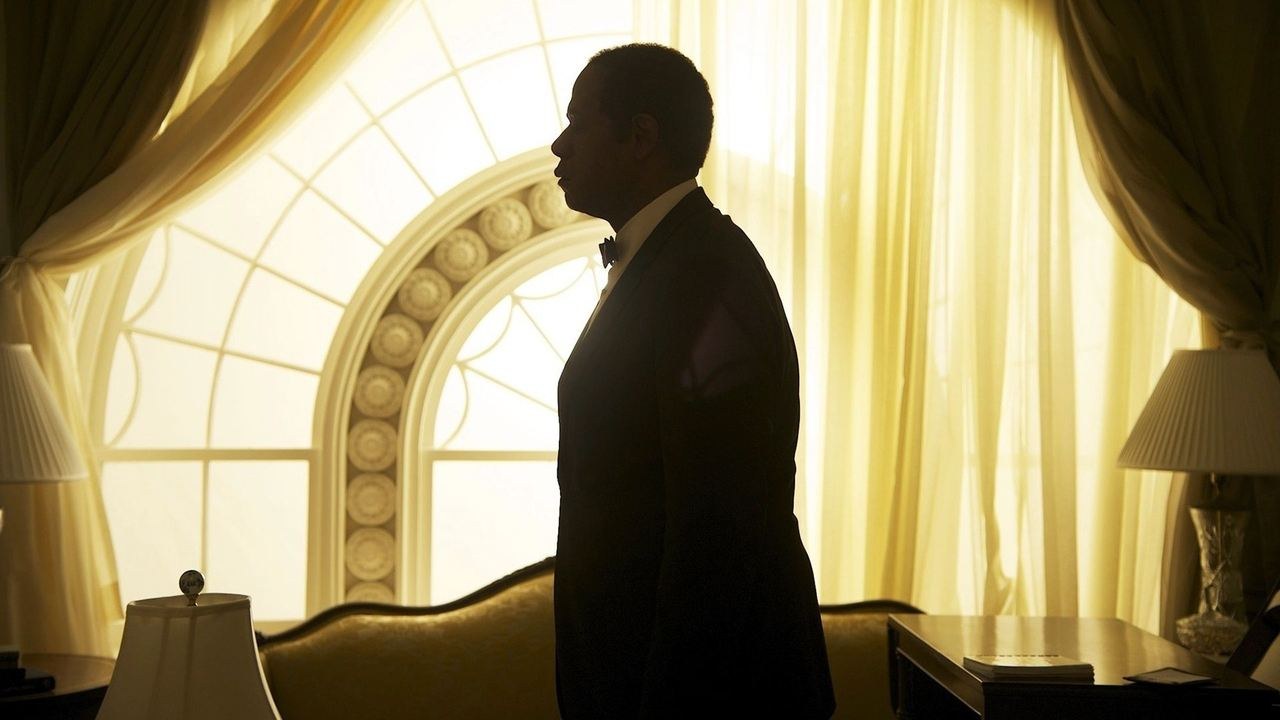
Cecil Gaines, born into brutal poverty on a Georgia cotton plantation and trained in domestic service after witnessing his father’s murder as a child, rises through decades of skilled, disciplined work to become a butler at the White House, serving under seven successive presidents from Eisenhower through Reagan. Cecil’s professional code, instilled by his mentors, requires him to remain invisible, deferential, and entirely apolitical while working, a discipline that serves him well professionally even as the civil rights movement transforms the country around him.
Cecil’s eldest son, Louis, rejects his father’s approach entirely, becoming an increasingly radicalized civil rights activist who participates in dangerous sit-ins, Freedom Rides, and eventually more confrontational movements, creating a deep and painful rift between father and son over fundamentally different visions of how Black Americans should pursue dignity and justice – Cecil through quiet, exemplary service designed to prove worth within the existing system, Louis through direct, public confrontation designed to challenge that system outright.
Across decades of service, Cecil witnesses and occasionally quietly influences the White House’s internal deliberations on civil rights from his uniquely intimate but invisible vantage point, while his marriage and family life bear the strain of his professional self-erasure and his estrangement from Louis. Only late in life, after retiring and reconciling with his son, does Cecil come to fully appreciate the necessity and courage of the confrontational path Louis chose, marching alongside him in protest and living to witness the election of America’s first Black president.
Analysis
Dignity Pursued Through Different, Contested Paths
Cecil and Louis represent two genuinely different, both defensible strategies for pursuing dignity and justice under conditions of profound injustice: Cecil’s disciplined excellence within an existing system, designed to disprove racist assumptions through irreproachable service, and Louis’s direct confrontation of that system’s injustice, designed to force change through visible, costly resistance. The film refuses to simply validate one approach over the other.
This refusal to choose a clear “correct” strategy reflects an honest acknowledgment that reasonable, courageous people pursuing the same fundamental goal of justice and dignity can genuinely disagree about the most effective and morally sound path toward it, and that this disagreement, however painful within a family, does not necessarily indicate a failure of virtue on either side.
The Discipline and Cost of Professional Invisibility
Cecil’s code of professional service requires near-total self-erasure – remaining silent, deferential, and unseen regardless of what he witnesses or how he is personally affected by the events unfolding around him in the White House. This discipline earns him respect and access few Black Americans of his era could have obtained, but it also exacts a real cost on his sense of self, his marriage, and his ability to be fully present with his own family.
The film treats this discipline neither as pure virtue nor as simple capitulation, but as a genuinely difficult, costly strategy adopted under constrained circumstances, whose value and limitations only become fully visible when placed alongside Louis’s radically different approach.
A Family Strained by History Itself
The rift between Cecil and Louis is not merely a personal disagreement but a direct consequence of the historical moment both men are living through, each shaped by different generational experiences of the same ongoing struggle for civil rights. Their eventual reconciliation, arriving only after decades of estrangement, suggests that some family wounds inflicted by historical circumstance require not merely apology but the passage of enough time for each side to fully witness and understand the other’s chosen path.
This portrayal of reconciliation delayed by history, rather than personal stubbornness alone, offers a more complicated and honest picture of how larger social movements can fracture even loving families, and how healing such fractures often requires more than goodwill alone.
A Life of Service Witnessed but Rarely Credited
Cecil’s decades of quiet, skilled service place him in the room for pivotal moments of American history, yet his actual influence and perspective remain almost entirely invisible to the historical record and to most of the people he serves, a condition the film presents as both a professional achievement and a form of erasure specific to domestic service roles historically filled by Black Americans.
The film’s insistence on centering Cecil’s perspective, rather than the presidents he serves, functions as a corrective act of its own, restoring visibility and narrative weight to a kind of labor and witness that history typically renders invisible.
Questions for Discussion
1. Cecil and Louis pursue civil rights through fundamentally different strategies – quiet excellence versus direct confrontation. Does the film ultimately validate one approach over the other, or hold both as genuinely defensible? Explain your reasoning.
2. Cecil’s professional code requires near-total self-erasure and silence. What does this discipline cost him personally, even as it earns him respect and access?
3. The rift between Cecil and Louis stems from genuine disagreement about the best path toward justice, not merely personal conflict. What does this suggest about how historical movements can strain even loving family relationships?
4. Cecil and Louis reconcile only after decades of estrangement. What do you think was necessary for this reconciliation to become possible, beyond simple apology?
5. Cecil’s decades of service place him at the center of pivotal historical moments, yet his own perspective remains largely invisible to history. What does the film accomplish by centering his viewpoint rather than the presidents he served?
6. Is Cecil’s strategy of proving worth through disciplined service ultimately vindicated by the film, given his son’s more confrontational path eventually contributing to real change? Or does the film suggest both paths were necessary?
7. What does Cecil’s eventual decision to march alongside Louis late in life suggest about how a person’s understanding of justice and strategy can evolve across a lifetime?
8. How does witnessing the election of America’s first Black president function as a resolution, or lack of resolution, to the tensions the film has traced across decades?


