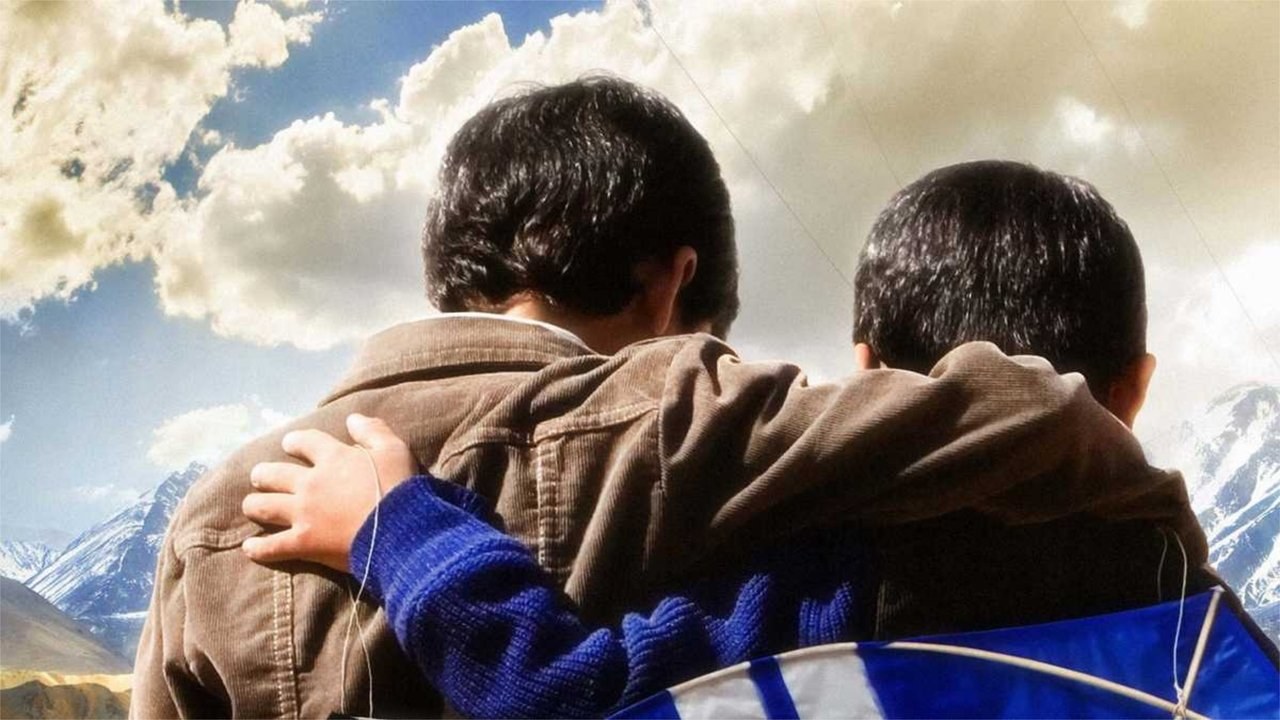
Synopsis
Amir and Hassan grow up together in 1970s Kabul, close friends despite the class and ethnic divide separating them – Amir the privileged son of a wealthy Pashtun merchant, Hassan the son of his father’s loyal Hazara servant – united by their shared passion for kite-flying and Hassan’s fierce, unwavering loyalty to Amir. When a local bully, Assef, brutally assaults Hassan after a kite-flying tournament, Amir witnesses the attack from hiding and, paralyzed by fear, fails to intervene, a betrayal of Hassan’s loyalty that Amir compounds afterward by manufacturing a false accusation to drive Hassan and his father from their household entirely.
Decades later, living a comfortable, successful life as an immigrant in America following his family’s flight from Soviet-invaded Afghanistan, Amir remains haunted by guilt over his childhood betrayal, a guilt that resurfaces powerfully when a family friend reveals that Hassan, now dead, was actually Amir’s own half-brother, and that Hassan’s orphaned son, Sohrab, remains in Taliban-controlled Afghanistan, in danger and in need of rescue.
Amir returns to a homeland transformed almost beyond recognition by war and Taliban rule, undertaking a dangerous rescue mission to find and save Sohrab, in the process confronting Assef once again, now a brutal Taliban official who has taken Sohrab captive. Amir’s willingness to physically fight Assef himself, rather than hide as he once did, and his subsequent, imperfect efforts to build a new life with the traumatized Sohrab, represent a costly, incomplete but genuine attempt to finally answer for the childhood betrayal he could never fully outrun.
Analysis
A Childhood Betrayal That Shapes an Entire Life
Amir’s failure to intervene when Hassan is assaulted, followed by his active betrayal in driving Hassan from the household, reflects a childhood cowardice compounded by deliberate cruelty that shapes the entire subsequent course of Amir’s adult life, even as he builds an outwardly successful, comfortable existence far removed from the scene of his original failure.
The film’s insistence on tracing this single childhood betrayal across decades, refusing to let Amir’s later success or physical distance erase its weight, suggests that certain formative moral failures, particularly those involving cowardice toward someone owed loyalty and protection, continue to shape a person’s conscience regardless of how thoroughly they might otherwise seem to have moved on.
Loyalty Offered Without Reciprocation
Hassan’s loyalty to Amir remains steadfast and unconditional even in the face of Amir’s ultimate betrayal, famously declaring his willingness to do anything for Amir “a thousand times over” – a loyalty that is never reciprocated in kind during the boys’ childhood, and that Hassan pays for dearly without ever receiving from Amir the protection or honesty such loyalty might reasonably have expected in return.
This asymmetry between Hassan’s costly, freely given loyalty and Amir’s failure to reciprocate it when it mattered most gives the film’s central relationship a painful moral weight, refusing to sentimentalize their friendship by insisting on the real, uncorrected imbalance at its heart.
Redemption Sought Through Costly, Concrete Action
Amir’s eventual return to a dangerous, transformed Afghanistan to rescue Hassan’s son represents his attempt to finally answer for his childhood failure not through mere apology or private guilt, but through concrete, costly action undertaken at real risk to himself, including his willingness to physically fight Assef rather than flee as he once did.
This shift from passive guilt to active, risky redemption reflects a conviction that certain wrongs require more than acknowledgment or regret to be genuinely answered for; they require a person to place themselves at real cost in service of repairing, however imperfectly and incompletely, what their earlier failure damaged.
A Homeland Transformed, A Family Reconstituted
Amir’s journey back to Afghanistan reveals a homeland utterly transformed by decades of war and Taliban rule, paralleling his own personal transformation from the cowardly boy he once was into someone capable, if imperfectly, of confronting danger for the sake of another. His subsequent, difficult effort to build a new family life with the traumatized Sohrab offers a tentative, incomplete but genuine continuation of the loyalty Hassan once offered him, now finally, belatedly reciprocated toward Hassan’s own son.
This reconstitution of family across generations and profound trauma, uncertain and unfinished as it remains at the film’s close, suggests that genuine repair for historical wrongs, while never able to fully undo the original harm, can nonetheless take real, meaningful form in how the next generation is finally, if belatedly, cared for.
Questions for Discussion
1. Amir fails to intervene when Hassan is assaulted, then actively betrays him afterward. What does the film suggest about how a single childhood failure of courage can shape an entire subsequent life, even amid outward success?
2. Hassan’s loyalty to Amir remains unconditional even after Amir’s betrayal. What does this asymmetry between Hassan’s costly loyalty and Amir’s failure to reciprocate suggest about the nature of their friendship?
3. Amir’s eventual return to Afghanistan represents active, risky redemption rather than mere private guilt or apology. Why might concrete, costly action be necessary to genuinely answer for certain kinds of wrongs?
4. Amir’s rescue of Sohrab is described as imperfect and incomplete rather than a clean, triumphant resolution. What does this incompleteness suggest about the actual limits of redemption for serious past wrongs?
5. What responsibility does Amir bear for Hassan’s fate, given that his childhood betrayal set in motion the events that separated Hassan’s family from Amir’s household?
6. How does the revelation that Hassan was actually Amir’s half-brother change your understanding of the betrayal and its consequences across the story?
7. Amir’s willingness to physically fight Assef as an adult contrasts sharply with his childhood cowardice. What does this shift suggest about the possibility of genuine moral growth, even after serious earlier failure?
8. What do you think the film ultimately suggests is required for genuine redemption – is Amir’s rescue of Sohrab sufficient to answer for his betrayal of Hassan, or does some debt remain permanently unpaid?


