Synopsis
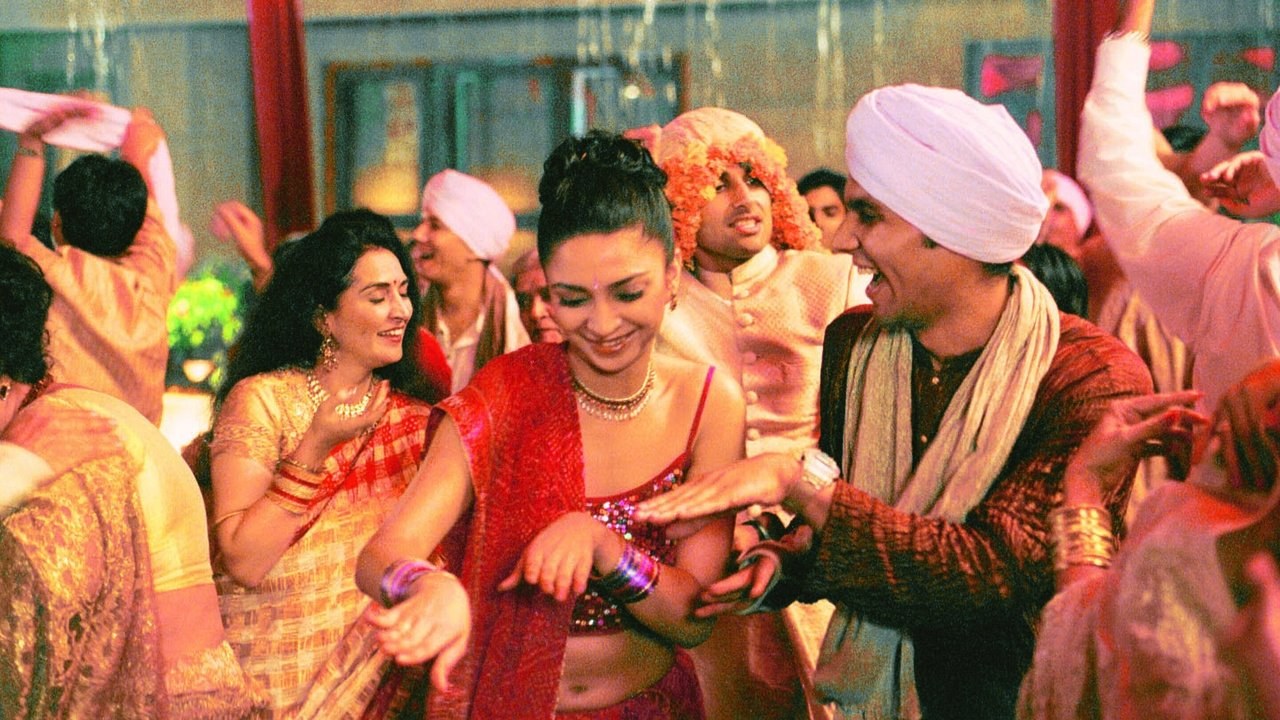
The extended Verma family gathers in New Delhi for the arranged marriage of Aditi, whose upcoming wedding to Hemant, a groom she has only recently met living abroad, proceeds amid the chaotic, joyful preparations typical of a large Punjabi family celebration, even as Aditi privately continues an affair with a married former lover she has not yet fully resolved to end, creating tension between the arranged marriage’s external propriety and her own unresolved, more complicated romantic history.
As various family members and the wedding planner, Dubey, navigate their own separate romantic entanglements and personal struggles amid the wedding’s hectic preparations, a serious, long-buried family secret surfaces when Ria, Aditi’s cousin, recognizes the warning signs of the family patriarch’s favorite nephew, Tej, preparing to sexually abuse another young family member, a pattern Ria herself suffered from Tej as a child and that the family’s collective silence and denial had allowed to continue unaddressed for years.
As Ria’s courageous decision to finally speak the truth publicly disrupts the wedding’s carefully maintained atmosphere of celebratory harmony, the family patriarch, Lalit, faces a difficult reckoning between protecting the family’s public reputation and finally confronting the abuse his own willful blindness had allowed to continue, ultimately choosing to support Ria and expel Tej from the family, allowing the wedding to proceed with a newly honest reckoning underlying its otherwise joyful, chaotic celebration of love, family, and cultural tradition.
Analysis
Tradition and Modernity Held in Genuine Tension
Aditi’s arranged marriage to Hemant, occurring alongside her unresolved feelings for a previous lover, illustrates a genuine tension between traditional expectations of arranged marriage and more contemporary understandings of romantic choice and self-determination, a tension the film treats with nuance rather than simply favoring one framework over the other.
This portrayal resists an easy resolution in which either tradition or modern romantic autonomy simply wins out, instead suggesting that genuine wisdom requires navigating between inherited structures and personal authenticity, allowing for real growth and honest reckoning within, rather than simply outside, an arranged marriage’s traditional framework.
Silence That Enables Continued Abuse
The family’s years of collective, willful blindness toward Tej’s abuse – protecting a favored, prestigious family member’s reputation at the direct expense of vulnerable children’s safety – illustrates how family and community silence, however motivated by genuine desire to preserve harmony and reputation, can become directly complicit in enabling continued harm to the most vulnerable members of that same community.
This portrayal offers a pointed indictment of how easily communities can prioritize outward harmony and reputation over the safety and truth-telling of their most vulnerable members, suggesting that such silence, however comfortable or conflict-avoidant in the short term, constitutes genuine moral failure with serious, ongoing consequences.
Courage to Disrupt a Carefully Maintained Peace
Ria’s decision to speak the truth about Tej’s abuse, despite the significant social cost of disrupting the wedding’s carefully maintained celebratory atmosphere and challenging a beloved, powerful family member, represents a considerable act of courage precisely because it prioritizes protecting a vulnerable child over preserving a comfortable, superficial family harmony.
This willingness to disrupt hard-won peace for the sake of truth and protection offers a model of courage distinct from more dramatic, physically dangerous forms of heroism – the quieter, socially costly courage required to speak an uncomfortable truth within one’s own family and community, at real risk to one’s own belonging and standing.
A Patriarch’s Difficult Choice Between Reputation and Justice
Lalit’s ultimate decision to support Ria and expel Tej from the family, despite the reputational cost and personal discomfort this decision entails, represents a genuine, costly reckoning with his own prior willful blindness, choosing finally to prioritize justice and protection for vulnerable family members over the family’s public reputation and his own comfort.
This portrayal of a family leader’s belated but genuine willingness to prioritize justice over reputation, once directly confronted with undeniable truth, suggests that even significant prior failure to protect the vulnerable can be followed by genuine, if overdue, moral correction when a person of authority finally chooses truth over continued convenient denial.
Questions for Discussion
1. Aditi’s arranged marriage occurs alongside her unresolved feelings for a previous lover. Does the film ultimately favor traditional arranged marriage, modern romantic autonomy, or suggest a more complicated navigation between the two? Explain your reasoning.
2. The family’s years of silence about Tej’s abuse protected his reputation at the expense of vulnerable children’s safety. What does this silence suggest about how communities can become complicit in enabling continued harm?
3. Ria’s decision to speak the truth disrupts the wedding’s celebratory atmosphere at real social cost to herself. What kind of courage does this quieter, socially costly truth-telling require, compared to more dramatic forms of heroism?
4. Lalit ultimately chooses to support Ria and expel Tej, despite the reputational cost to his family. What does this belated but genuine reckoning suggest about the possibility of moral correction even after significant prior failure?
5. What responsibility do other family members bear for the years of silence that allowed Tej’s abuse to continue, beyond Lalit’s own particular failure to act?
6. Is Ria’s timing in revealing the truth – during the wedding celebration itself – the right moment, or would a different approach have better served both her own healing and the family’s ability to respond? Explain your view.
7. How does the film’s broader portrayal of a joyful, chaotic family wedding create a meaningful contrast with the serious reckoning about abuse that unfolds within it?
8. What do you think the film ultimately suggests is owed to survivors of abuse by the families and communities that failed to protect them, once the truth finally comes to light?


