Synopsis
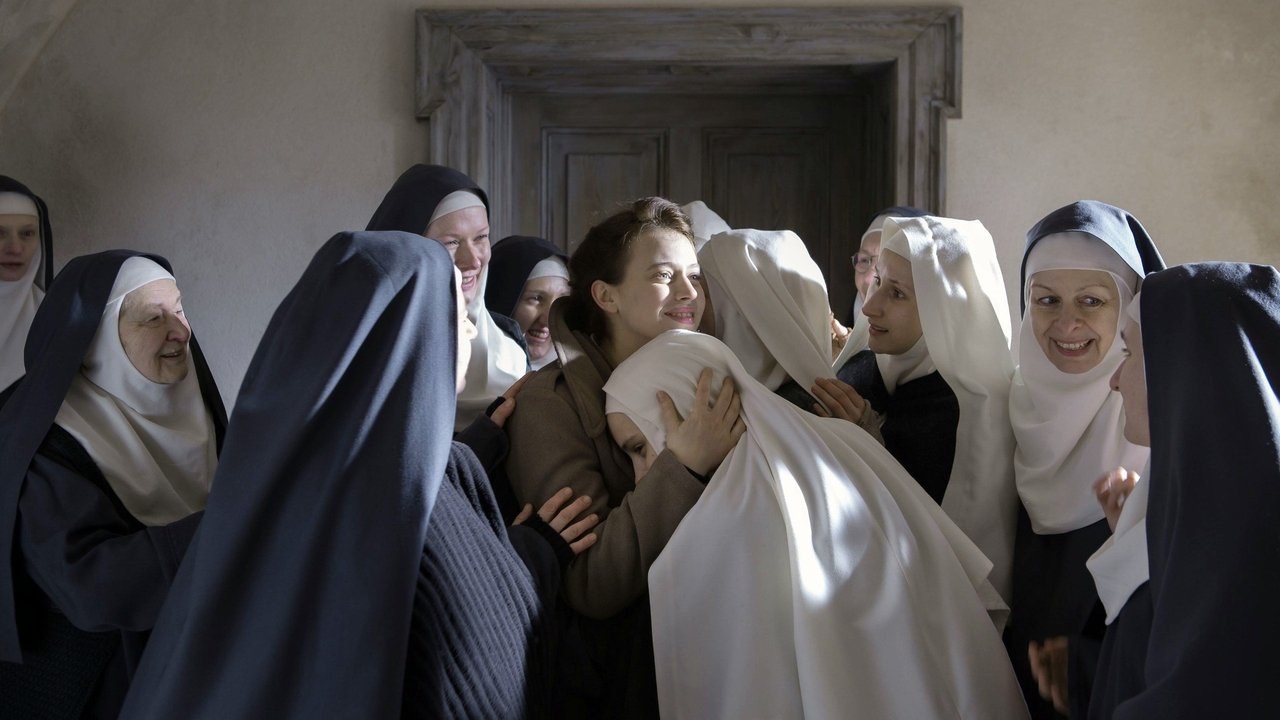
In the harsh winter of 1945, shortly after the end of the Second World War, Mathilde Beaulieu, a young French Red Cross doctor stationed in Poland to treat French survivors, is unexpectedly summoned by a distressed nun to a nearby convent, where she discovers that numerous sisters, including the Mother Superior herself, were repeatedly raped by invading Soviet soldiers months earlier, leaving several of the nuns pregnant and now on the verge of giving birth, all while the convent’s leadership desperately tries to conceal the situation entirely, fearing the scandal and dishonor such knowledge would bring upon the community.
Mathilde, an avowed atheist working within a explicitly communist medical framework that officially discourages any entanglement with religious institutions, nonetheless commits herself secretly to providing the medical care the pregnant nuns desperately need, navigating the convent’s culture of secrecy, shame, and theological crisis, as several of the sisters struggle profoundly with reconciling their vows, their faith, and the trauma of their assault with the physical reality of impending childbirth.
As Mathilde’s involvement deepens and she witnesses both the genuine spiritual crisis several nuns experience and the Mother Superior’s own devastating, secret decision to abandon several of the newborns in the surrounding countryside rather than allow the convent’s shame to become known, the film traces a complicated, hard-won process of healing, faith reconstruction, and practical solidarity between Mathilde and the convent’s sisters, culminating in the community’s decision to openly acknowledge and collectively raise the surviving children, transforming secret shame into a form of shared, if painful, communal responsibility and care.
Analysis
Compassion That Transcends Ideological and Religious Difference
Mathilde’s willingness to secretly provide medical care to the convent, despite her explicit atheism and the official communist medical framework she operates within that discourages such religious entanglement, reflects a compassion that transcends the ideological and religious boundaries that might otherwise have prevented her involvement entirely.
This portrayal of compassion crossing significant ideological difference suggests that genuine moral response to suffering can and often does exceed the boundaries of any single ideological or religious framework, offering a model of solidarity grounded in shared humanity rather than shared belief or institutional affiliation.
Faith Tested by Violation Rather Than Simply Confirmed or Destroyed
The nuns’ response to their traumatic assault and subsequent pregnancies varies significantly, with some experiencing genuine crisis of faith, others finding unexpected new meaning or even a complicated sense of grace amid their suffering, refusing to present a single, uniform response to trauma’s effect on religious conviction.
This portrayal of varied, individual responses to shared trauma resists any simple narrative in which faith either straightforwardly survives or straightforwardly collapses under the weight of severe suffering, insisting instead on the genuine complexity and individuality of how different people process profound violation within a shared religious framework.
Secrecy Protecting Institutional Reputation at Devastating Human Cost
The Mother Superior’s decision to secretly abandon several newborns in the surrounding countryside, motivated by a desperate desire to protect the convent’s reputation and avoid the scandal that public knowledge of the assaults and resulting pregnancies would bring, represents a devastating moral failure enacted specifically to preserve institutional image at the direct cost of innocent, vulnerable children’s lives and welfare.
This portrayal of institutional reputation protected through concealment at severe human cost offers a sobering account of how the desire to preserve a community’s public image, even a religious community ostensibly committed to charity and truth, can lead to genuinely devastating moral failure when that desire for concealment is allowed to override more fundamental obligations to protect the vulnerable.
Shared Responsibility Emerging From Broken Secrecy
The convent’s eventual decision to openly acknowledge and collectively raise the surviving children, rather than continuing the pattern of secrecy and abandonment, represents a genuine, hard-won transformation from individual shame and institutional self-protection toward shared communal responsibility and care, however painful and complicated this open acknowledgment remains.
This transformation from destructive secrecy toward shared, open responsibility suggests that genuine healing from communal trauma and institutional failure often requires exactly this kind of costly transition from concealment toward open, collective acknowledgment and care, even when such openness carries its own significant, ongoing difficulty.
Questions for Discussion
1. Mathilde provides secret medical care to the convent despite her atheism and the official communist framework discouraging such involvement. What does her willingness to help across this ideological difference suggest about the nature of genuine compassion?
2. The nuns respond to their trauma in varied ways – some experiencing crisis of faith, others finding unexpected meaning. What does this variation suggest about the complexity of how faith is tested by severe suffering?
3. The Mother Superior secretly abandons several newborns to protect the convent’s reputation. What does this decision reveal about how institutional self-protection can lead to devastating moral failure, even within a religious community?
4. The convent eventually chooses to openly acknowledge and collectively raise the surviving children. What does this transformation from secrecy to shared responsibility suggest about what genuine healing from institutional failure requires?
5. What responsibility does the broader Catholic Church hierarchy, beyond this specific convent’s leadership, bear for how such situations of wartime sexual violence against nuns were handled or concealed historically?
6. Is Mathilde’s growing personal involvement with the convent, beyond strictly professional medical care, a violation of her professional and ideological boundaries, or a natural and appropriate response to the depth of need she encounters? Explain your reasoning.
7. How does the film’s setting immediately after the war’s end, amid continued danger and uncertainty, shape the pressures and choices facing both Mathilde and the convent’s sisters?
8. What do you think the film ultimately suggests about the relationship between institutional reputation, secrecy, and genuine moral responsibility toward the most vulnerable, particularly within religious communities?


