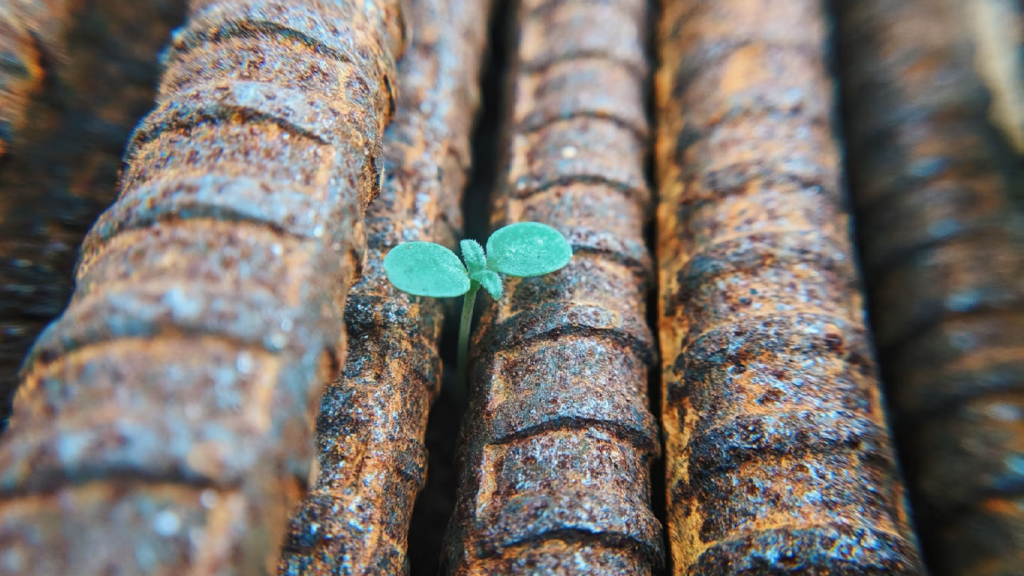
The Gospel leaves no room for a Christianity without the Cross. Jesus says to everyone who wishes to follow Him: “If any man would come after me, let him deny himself, and take up his cross daily and follow me.” The invitation is universal, and the word daily is essential. Our Lord does not speak only of the great sufferings that may come once or twice in a lifetime. He asks us to accept the Cross that appears in the ordinary course of each day and to unite it to His own.
Christ repeats this condition elsewhere with equal clarity: “Whoever does not take up his cross and come after me cannot be my disciple.” The Cross is not an optional devotion for those drawn to a more demanding form of Christian life. It belongs to the essence of discipleship. A Christianity from which sacrifice, penance and voluntary mortification had been removed would no longer preserve the full teaching of the Gospel. It might retain Christian language and certain outward practices, but it would have separated the life of the disciple from the path followed by the Master. Without the Cross, there is no Redemption and no true participation in the life of Christ.
This teaching can seem severe if mortification is understood merely as the search for discomfort. Christian self-denial is not based upon contempt for the body or the goodness of creation. God made the world good, and the Son of God assumed a human nature. Mortification is necessary because sin has introduced disorder into us. Our appetites, preferences and desire for comfort do not always remain within their proper limits. Unless they are educated, they can gradually dominate our decisions and make us less capable of loving God and others.
One sign that lukewarmness is entering the soul is a growing aversion to every sacrifice. We begin to treat small mortifications as unnecessary, dismiss voluntary penance as outdated and arrange our lives so that inconvenience is avoided whenever possible. This may appear harmless at first, but the person who refuses all self-denial eventually becomes governed by his senses and moods. He finds prayer more difficult, charity more demanding and fidelity increasingly dependent upon whether he feels inclined to give himself.
There can be no sustained progress in the interior life without sacrifice. St. John of the Cross observed that many people fail to reach deeper union with God because they are unwilling to pass through the Cross. He warned that anyone who seeks Christ must not expect to find Him apart from it. This does not mean that God delights in our suffering. It means that love requires purification. We cannot belong fully to Christ while continuing to give every preference and attachment the final word.
Mortification is closely connected with joy, although this may initially seem paradoxical. We might imagine that the person who accepts sacrifice and occasionally seeks it must become gloomy and constricted. The opposite is usually true when mortification is practised with generosity and love. Self-denial produces sadness when it is carried out resentfully, when we remain absorbed in what we are giving up or when it becomes a means of proving our strength. When it is offered to God, sacrifice brings the happiness of knowing that we are doing His will and making a sincere effort to love Him.
St. Paul describes Christians as appearing sorrowful while always rejoicing. The two experiences can coexist. Pain remains painful, and a sacrifice does not cease to cost us simply because we accept it. Yet beneath the difficulty there can be peace, because our suffering has been given a purpose. We are no longer enduring something meaningless or struggling merely against ourselves. We are accompanying Christ and placing an act of love into His hands.
The traditional expression nulla dies sine cruce—no day without its cross—summarises this Christian realism. Every day brings some form of sacrifice, whether chosen or unexpected. The path of personal sanctification necessarily leads through these daily crosses, but it need not become a sorrowful path. Christ Himself comes to our assistance, and His presence changes the meaning of what we carry. The Cross remains, but it is no longer borne alone.
We should distinguish the Cross of Christ from the suffering created by our own selfishness or disorder. Not every difficulty that troubles us is a sanctifying cross. Some conflicts result from our envy, laziness, vanity or refusal to accept another person’s needs. We may complain about the burdens of life when much of our frustration comes from insisting that everything conform to our wishes. Such suffering should not simply be accepted as though it had come from God. We need to identify its cause, correct what we can and struggle against the self-love that produced it.
The true Cross is found in the suffering that remains after we have acted reasonably and uprightly. At times it may take the form of a serious illness, financial ruin or the death of someone we love. We may experience loneliness, opposition, injustice, slander or ridicule. People may misunderstand our motives or consider our faith unreasonable. These trials are not always sent directly by God, but He permits them within His providence and can use them to form us in the likeness of Christ.
Such moments call for what spiritual writers have called passive mortification: the suffering that arrives without our having chosen it. It may come openly and dramatically or remain hidden from almost everyone. We do not know beforehand when it will appear or what form it will take. Our task is not to manufacture noble feelings but to accept the reality before us and ask for the grace to carry it with dignity, patience and faith.
God never withholds the strength required for the Cross He permits. We may feel incapable of bearing what has happened, and from a merely human point of view we may indeed be incapable. Grace, however, is given according to the need. Through trials, God can produce fruits that we would never have imagined. He purifies motives, strengthens fidelity and makes us more compassionate towards those who suffer. By uniting our pain to Christ, He allows it to share in the redemptive fruitfulness of the Cross.
The greatest trials are not, however, the most common. We usually meet the Cross through the small annoyances that fill ordinary life. It may arrive through the difficult character of someone with whom we live or work, an unexpected change of plans or an instrument that fails when we most need it. Heat, cold, noise, tiredness and minor illness can make the day harder. A misunderstanding may require patience, or a task may take twice as long as expected. None of these things is dramatic, but together they form much of the material of sanctity.
These daily pinpricks often reveal us more clearly than a great trial would. We may imagine that we would respond heroically to persecution while becoming irritable because of an interruption or delay. The small cross appears unimportant, and for that reason we feel entitled to complain about it. Yet the love of God is expressed most often in these ordinary moments, because this is where our will meets His providence each day.
We should accept these inconveniences courageously and offer them to God without making them heavier through complaint. An unexpected mortification can become an act of reparation and an opportunity to grow in patience, charity and understanding. It can help us detach ourselves from the assumption that our preferences must govern the day. The event itself may remain minor, but our response to it can carry great spiritual value.
When we receive these setbacks badly, the result is often rebellion, impatience or discouragement. Many Christians lose their peace by the end of the day not because they have suffered a major calamity but because they have resisted a long succession of little frustrations. Tiredness from work, a delayed appointment, a misplaced object or an inconsiderate remark gradually accumulate because none of them has been accepted and offered. The soul becomes inwardly tense, and this soon appears outwardly through despondency or bad humour.
When the same difficulties are received as part of the Cross, they can produce peace even while they continue to hurt. We do not have to pretend that the interruption is welcome or that the fatigue feels pleasant. We simply recognise that this is now the reality God allows and that we can love Him within it. Acceptance prevents the inconvenience from occupying the whole heart.
To carry the Cross is an act of courage. It means facing life as it is rather than constantly resenting the difference between reality and our plans. It transforms difficulties into moral and spiritual energy. The person who has learned to accept sacrifice becomes more capable of understanding the sorrow of others and more willing to remain beside them. He no longer regards every demand as an injustice or every discomfort as a threat to happiness.
The person who systematically avoids sacrifice will not find the joy he seeks. He may succeed in protecting his comfort for a time, but he will also avoid the very occasions through which freedom, love and holiness grow. A life organised entirely around ease becomes increasingly fragile. The smallest inconvenience then appears intolerable because no habit of self-denial has prepared us to carry it.
Accepting the crosses that come is only one part of Christian mortification. Jesus says, “Let him deny himself,” and this also invites us to seek certain small sacrifices voluntarily. These chosen mortifications keep the spirit of penance alive and prepare us to receive unexpected difficulties more generously. They need not be unusual or severe. In fact, the most valuable are often hidden within the duties and relationships of ordinary life.
It is useful to choose several small mortifications in advance and practise them consistently. If we rely only upon inspiration, we may sacrifice ourselves when enthusiasm is strong and forget the resolution once it becomes inconvenient. A concrete decision gives direction to good intentions. The sacrifice may be known only to God, which helps purify our motive and prevents it from becoming a source of vanity.
Some mortifications can improve our work. We may begin punctually rather than waiting until we feel ready, maintain order in our surroundings or give full attention to the task before us. We can resist the desire to interrupt difficult work with unnecessary distractions and take proper care of the tools or equipment entrusted to us. These practices strengthen discipline while turning ordinary work into a more generous offering.
Others should be directed towards charity, because the sacrifices most pleasing to God are often those that make life easier for another person. We can smile when tired, show appreciation for someone whose efforts are easily overlooked or help a colleague without waiting to be asked. We may choose to listen patiently, avoid interrupting or perform a small service that would otherwise fall to someone else. The mortification lies not only in what we give up but in the love made possible by that renunciation.
Life with others provides constant opportunities. We can refrain from insisting upon our preference in an unimportant matter, overlook a minor annoyance or respond pleasantly when we would rather be left alone. We may need to control our temper, forgive an irritating habit or resist the temptation to deliver a sharp remark. These small victories can be harder than an external penance because they touch pride directly.
Mortification can also concern our desire for comfort. We may accept a slightly less convenient seat, refrain from adjusting every condition to our liking or continue with a duty despite ordinary tiredness. We can take what is served without unnecessary complaint and avoid creating needs that make us dependent upon a particular standard of comfort. Prudence remains necessary, and we should not neglect health or legitimate rest. The aim is freedom, not harm.
The senses also need to be guarded. We can turn away from an image that would disturb purity, resist curiosity about matters that do not concern us or decline to consume content simply because it is available. We may remain silent instead of passing on gossip or avoid asking for information that serves no good purpose. These acts protect the heart from distraction and make interior recollection more possible.
At meals, mortification can be practised simply and naturally. We may wait rather than eating impulsively, take a little less of something we particularly enjoy or accept what is offered without drawing attention to our preferences. The value lies less in the material sacrifice than in the love and freedom with which it is made. Extreme practices are unnecessary and may be imprudent. Constancy in small things is usually more formative than occasional severity.
Personal appearance can also provide opportunities. We should be clean, presentable and appropriately dressed, but we need not make appearance a source of continual self-preoccupation. We can resist vanity, avoid seeking admiration and accept that we will not always look exactly as we would prefer. Temperance allows us to care for ourselves without making the body the centre of attention.
Because human nature tends to avoid effort, we must be realistic about the weakness of good intentions. It can help to write down one or two concrete resolutions and review them during the examination of conscience. This is not meant to produce anxiety or turn the spiritual life into a system of calculations. It simply keeps our intentions from remaining vague and helps us see whether love is becoming practical.
The purpose of an examination is not to congratulate ourselves for accumulating sacrifices. It is to ask whether mortification is making us more available to God and more charitable towards others. A person can perform many acts of self-denial while remaining impatient, proud or difficult to live with. In that case the practice has become separated from its true purpose. Mortification should soften the heart, not harden it.
We also need to avoid using penance as a means of control. Some people may become attached to their own programme of sacrifices and react badly when circumstances prevent them from carrying it out. The mortification God permits through an interruption may be more valuable than the one we had planned. Flexibility and humility keep voluntary penance subordinate to charity and duty.
The Cross of each day is therefore found first in faithful fulfilment of our vocation. A parent may need to accept interrupted sleep, a demanding schedule and the constant needs of children. A student encounters the Cross in disciplined study and perseverance with difficult subjects. A worker finds it in punctuality, concentration and honest service. The sick person may have to accept dependence, uncertainty and the limitations imposed by illness. Each person’s daily duties contain the particular form of self-gift God asks.
Apostolate also requires mortification. We may have to overcome shyness, set aside personal plans or persevere when our efforts appear fruitless. Genuine concern for souls costs something because it asks us to leave the comfort of self-absorption. We listen, accompany and speak about Christ when it would be easier to remain uninvolved. The sacrifice becomes fruitful because it is united to His desire that every person come to know the Father.
Our daily cross should never make us preoccupied with ourselves. The more closely mortification is united to Christ, the more it turns us outward. We become less concerned with protecting every preference and more attentive to the burdens carried by others. We learn not to dramatise our sacrifices, because we see that people around us may be suffering far more.
The example of Christ keeps mortification in its proper perspective. He did not carry the Cross as an isolated feat of endurance. He carried it for us. Every humiliation, wound and step towards Calvary was part of His complete gift to the Father and to humanity. Our small sacrifices share in this meaning when they are offered in union with Him and directed towards love.
We can place a particular intention within each difficulty. Tiredness may be offered for someone who is ill, a delay for a person in need of patience or an act of self-denial for the conversion of a friend. This does not turn the Cross into a transaction with God. It allows our suffering to become intercessory and connects the sacrifice with the needs of others.
There will be days when we carry the Cross well and others when we complain or become impatient. We should not add discouragement to the original difficulty. We acknowledge the failure, ask forgiveness and begin again. The daily Cross includes the humiliation of discovering repeatedly that we are weaker than we imagined. This too can bring us closer to Christ if it leads to humility rather than self-contempt.
Our Lady shows us how to remain beside the Cross. At Calvary she did not remove her Son’s suffering, but she united herself to Him through faith and love. Her presence was neither passive indifference nor despair. She stood. That simple steadfastness reveals the courage required to accept what cannot be changed while continuing to love.
We can ask Mary to help us recognise the Cross hidden in the day before us. She will teach us not to invent sufferings through imagination or self-love and not to flee the real sacrifices God permits. She can help us receive both the great sorrow and the small inconvenience with the same filial trust.
The Christian does not wake each morning wondering what pain can be found. He asks how he can love God in the circumstances of the day. The answer will inevitably involve some Cross, because love requires us to go beyond preference and self-interest. Yet the Cross appears within a larger reality: Christ has already carried it, redeemed it and made it a path to life.
There is no day without its cross, but there is also no cross that need be borne without Christ. He gives strength in proportion to the burden and transforms our small offerings into something greater than we can see. What seems like an insignificant act of patience may contribute to our holiness and to the good of souls. Nothing given to Him in love is wasted.
The daily Cross becomes lighter, though not necessarily less painful, when we stop treating it as an interruption of the Christian life. It is one of the principal places where that life is lived. Prayer and the sacraments prepare us to recognise Christ in sacrifice, while sacrifice makes our prayer more sincere and our charity more practical.
Let us therefore tell Jesus that we are willing to follow Him today. We can accept the difficulties we have not chosen and add a few small acts of voluntary self-denial carried out without display. We can offer our work, overcome a preference and make life more pleasant for those around us. These things may appear small, but they place us on the road followed by Christ.
The road of the Cross is not a road away from joy. It frees us from the tyranny of self and teaches us to love. As the heart is purified, it becomes more capable of communion with God and with others. We discover a peace deeper than comfort: the peace of knowing that our life, in its smallest details, can be given to Christ.
No true Christianity exists without the Cross, but neither does the Christian Cross exist without the Resurrection. Every sacrifice accepted in union with Jesus carries within it the promise of new life. When we take up the Cross of each day, we do not walk towards defeat. We follow the One who has conquered death and who uses every faithful act of love to lead us towards the joy of eternal life.
*By the Via Virtutis team
Photo by Trophim Laptev on Unsplash