On the night before his Passion, Jesus rose from supper, laid aside his garments and wrapped a towel around his waist. He poured water into a basin and began to wash the feet of his disciples, taking upon himself the task ordinarily assigned to a servant. The apostles watched in astonishment as their Master and Lord knelt before them. When he came to Peter, the apostle protested: “Lord, do you wash my feet?” Jesus answered him with words that reach far beyond that moment: “What I am doing you do not know now, but afterward you will understand.”
Peter could see what Jesus was doing, but he could not yet grasp its meaning. Only later, after the Passion, Resurrection and coming of the Holy Spirit, would he begin to understand that Christ’s apparent self-abasement revealed the nature of divine love. The Son of God had come not to be served but to serve and to give his life as a ransom for many. By washing the apostles’ feet, he was preparing the future shepherds of the Church to exercise authority through service. What seemed bewildering at the time would eventually become clear within the larger mystery of the Cross.
Something similar often happens in our own lives. Events occur whose meaning we cannot understand: illness, unemployment, financial hardship, failure, injustice, the breakdown of a relationship or the death of someone we love. A path that once seemed clear may suddenly close, while a prayer we have made with confidence appears to remain unanswered. We can see what is happening, but we cannot see how it fits into the providence of God. At such moments, the words spoken to Peter can become deeply consoling: “What I am doing you do not know now, but afterward you will understand.”
These words do not mean that every painful event is something God directly wills. Sin, injustice, illness and death are real evils. God does not desire evil as evil, nor does he cause human beings to act wickedly. He respects the freedom he has given us and permits creation to follow the laws and limitations proper to it. Yet nothing that happens escapes his knowledge or lies beyond his power to redeem. He can bring good even from what he did not positively will, weaving the consequences of human freedom, natural fragility and our own mistakes into a providential plan that leads us toward salvation.
The supreme example is the Passion of Christ. No event could appear more opposed to the will of God than the rejection and crucifixion of his Son. It was an act of terrible injustice brought about by human sin. Yet through that very evil, God accomplished the redemption of the world. The apparent triumph of hatred became the revelation of divine love; the death of Christ opened the way to eternal life. The Cross does not make evil good, but it shows that evil can never have the final word.
For this reason, St. Paul can assure us that “in everything God works for good with those who love him.” He does not say that everything that happens is good. He tells us that God is able to make all things work together toward good for those who remain united to him. This is the foundation of Christian hope. We do not place our confidence in the expectation that life will unfold according to our plans, but in the certainty that no event can defeat the loving providence of our Father.
Our vision is necessarily limited. We see only a small portion of our life and rarely understand all the consequences of an event. What appears to be an unqualified success may later expose us to pride, attachment or complacency. What seems like a serious setback may redirect us toward a better path, reveal a weakness that needed attention or deepen our capacity to understand the suffering of others. Sometimes we recognize these fruits after a few years. At other times, the full meaning will remain hidden until we see our life in the light of eternity.
Faith does not require us to invent explanations for every sorrow. We should be cautious about declaring that we know exactly why God permitted a particular tragedy, especially when speaking about another person’s suffering. Some wounds remain mysterious, and facile explanations can add to the pain. Trust is not the claim that we understand everything. It is the decision to remain close to God when we do not understand, confident that his wisdom exceeds ours and that his love has not changed.
Our awareness of divine filiation gives this trust its deepest foundation. We are not in the hands of an impersonal fate or a distant power. We are children in the hands of a Father who knows us completely, sees our past, present and future together, and desires our eternal happiness more deeply than we do. The people who love us most may misunderstand us or fail us despite their good intentions. God neither misunderstands nor forgets. His wisdom is infinite, his power cannot be overcome, and his love is more faithful than any human affection.
This does not mean that we will always feel secure. Fear may remain, sorrow may weigh heavily upon us and the future may continue to appear uncertain. Divine filiation is not merely a comforting emotion. It is a truth we choose to remember when our feelings offer little support. St. Peter urges us to cast all our anxieties upon God because he cares for us. We may have to make this surrender repeatedly as worries return, placing the same concern back into his hands each time it rises again.
When a setback occurs, we can therefore pray with simplicity: “Lord, you know better than I do. I do not understand this, but I place myself in your hands. Give me the light and strength to respond well, and explain the rest when you know it will help me.” Such a prayer is not resignation. It is an act of humility that acknowledges the limits of our understanding while remaining attentive to whatever responsibility the situation places before us.
Our own faults and sins can also become occasions of grace, although the sins themselves remain evil. God does not need our failures in order to sanctify us, but once we have fallen he can draw good from our repentance. A sincere confession may leave us humbler, more vigilant and more compassionate toward the weakness of others. We may discover how little we can accomplish without grace and learn to place less confidence in our resolutions and more in God. The person who returns after a fall can sometimes love more deeply because he has experienced mercy.
This is not a reason to take sin lightly. We should resist temptation, avoid occasions of sin and use every appropriate means to grow in virtue. Yet after a failure, discouragement adds nothing good. We acknowledge the wrong, ask forgiveness, repair whatever harm we can and begin again. God’s providence is large enough to include our imperfect response. He can lead us forward even after we have wandered, provided that we turn back to him.
A filial spirit gradually makes life an act of thanksgiving. We learn to thank God not only when events correspond to our hopes, but also when we must walk through uncertainty. This does not mean thanking him for injustice as though injustice were good or pretending that illness and loss do not hurt. We thank him because he remains our Father within the trial, because his grace is still available and because no suffering can separate us from his love.
There may be times when we can say little more than, “Thank you, Lord, for remaining with me.” That prayer may be more sincere than an attempt to feel grateful for circumstances that are genuinely painful. Christian thanksgiving is grounded not in the pleasantness of the event but in the goodness of God. We may not yet see what he will bring from the trial, but we know that his providence continues to work even when it is hidden.
The saints often responded to contradiction with this confidence. Their gratitude did not arise from insensitivity to suffering. Many experienced illness, persecution, misunderstanding and apparent failure with great intensity. What distinguished them was their refusal to interpret suffering as proof that God had abandoned them. They saw every circumstance as a place in which love could still be offered and grace received.
The image of a sculptor’s chisel can help us understand one dimension of this mystery. The stone cannot see the form the artist intends, and each blow appears only to remove something. Yet the sculptor sees the completed work within the unfinished material. We should not apply this image mechanically, as though every misfortune were a direct blow administered by God. Its value lies in reminding us that our limited perspective cannot yet perceive the form divine grace is producing. God can work through contradiction, loss and limitation to free us from attachments and bring forth a deeper likeness to Christ.
Confidence in providence must never become an excuse for passivity. The same Father who asks us to trust him has given us intelligence, freedom, practical judgment and responsibility for one another. When we face illness, we should accept what cannot be changed while seeking appropriate medical care. We consult competent doctors, rest when necessary and follow reasonable treatment. Trusting God does not mean refusing the ordinary means through which he often chooses to help us.
The same principle applies to social injustice, poverty, ignorance and human suffering. We cannot simply say that everything is in God’s hands and then remain indifferent. Providence frequently acts through human cooperation. God expects us to use our abilities, resources and influence in the service of others. We may need to correct an injustice, provide material assistance, improve an institution, educate those entrusted to us or join with people of goodwill in seeking practical solutions. There is nothing Christian about neglecting a need we are genuinely responsible for addressing.
Our trust should make us more active, not less, because it frees us from the anxiety that everything depends upon us. We use the means reasonably available, work conscientiously, seek advice and persevere. At the same time, we acknowledge that the final result does not lie entirely within our control. We are responsible for our effort and our decisions, but not for every circumstance or outcome.
This distinction brings freedom. We can prepare carefully for an undertaking and still meet failure. We can act justly and still be misunderstood. We can love another person sincerely without being able to control his response. An apparent defeat does not necessarily mean that we acted wrongly or that our effort was wasted. God may sanctify us through fidelity that produces little visible success. What matters is that we did what prudence and charity required and entrusted the result to him.
God can draw good from failure, but we should not expect him to bless negligence. There is a great difference between an undertaking that fails despite serious effort and one that fails because we refused to prepare, ignored sound advice or neglected our responsibilities. Abandonment to providence begins after we have done what reasonably lies within our power, not before. We cannot ask God to replace the work he has entrusted to us.
Once we have used the proper means, however, we should resist the temptation to keep worrying as though anxiety could secure the outcome. We can say, omnia in bonum: everything can work toward the good. Whatever happens, God will remain our Father. If the result is favourable, we thank him and use it well. If it is disappointing, we ask how to respond with faith, learn whatever the experience can teach us and continue without losing peace.
St. Teresa of Ávila encouraged her spiritual daughters to place their confidence in God and to remain courageous because he is attentive to everything they truly need. That assurance does not promise that we will always receive what we expected or that life will be free from loss. It promises something greater: that nothing necessary for our eternal good will be lacking if we remain close to him.
Peter eventually understood why Jesus had knelt to wash his feet. What had seemed inappropriate and confusing became a revelation of the love he himself would be called to imitate. We too will one day see our lives within the complete design of providence. Events that now appear disconnected will find their place, prayers that seemed unanswered will be understood differently, and sacrifices whose fruit remained hidden will be revealed.
Until then, we walk by faith. We use every means placed within our reach, accept our responsibilities and resist evil wherever we can. When understanding fails, we remain in the hands of the Father. The Lord’s words to Peter can accompany us through every uncertainty: “What I am doing you do not know now, but afterward you will understand.”
By the Via Virtutis team
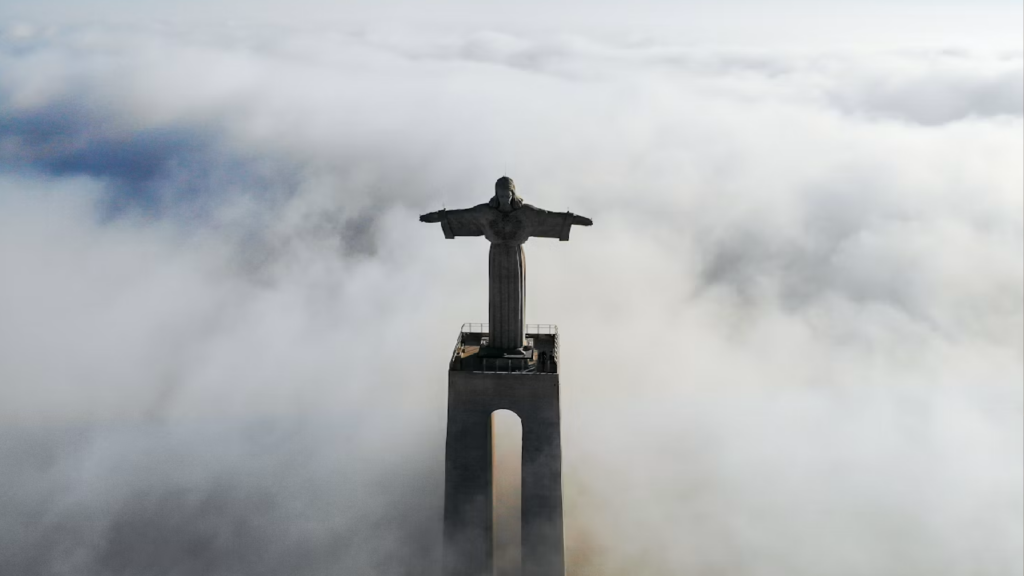
Photo by Arifur Rahman on Unsplash