We are called to holiness through an ever deeper integration of our whole person. Our intelligence, will, emotions, bodily desires and relationships are meant to become increasingly ordered toward what is true and good. Addiction threatens this unity because it gradually weakens our freedom. What may begin as an occasional choice can become a pattern in which desire increasingly dictates our behaviour and makes it harder for reason and the will to govern our actions.
This is true of many forms of addiction. Alcohol, drugs, gambling, pornography, compulsive gaming and other behaviours can become ways of seeking relief or stimulation that eventually begin to control us. The particular object differs, but the pattern is often similar. We discover something that gives pleasure, escape or emotional relief, return to it repeatedly, and gradually find that we need it more than we once did. What began as something we chose can become something we feel unable not to choose.
Modern neuroscience helps us understand part of this process. The brain’s reward system is designed to reinforce behaviours connected with survival and human flourishing. Pleasure and motivation are not enemies of the spiritual life; they belong to the way God has created us. The problem arises when powerful rewards are sought repeatedly in ways that train the brain toward compulsive patterns. Over time, habitual exposure can strengthen learned associations, intensify cravings and make self-control more difficult.
We should speak carefully here. Addiction is more complicated than a simple story of one chemical rising or falling in the brain, and not every person who repeatedly engages in a pleasurable behaviour becomes addicted. Biological vulnerability, psychological wounds, stress, isolation, habits and personal circumstances all play a role. Yet the basic point remains important: what we repeatedly choose helps shape what we later find easy or difficult to choose. Our habits form us.
This is why addiction is not merely a medical or psychological problem, though it certainly has those dimensions. It also concerns the moral and spiritual development of the person. Freedom does not mean simply being able to do whatever we feel like doing. Genuine freedom means possessing ourselves well enough to choose what is good even when another desire pulls us in the opposite direction.
St. Paul expresses this clearly when he writes, “I will not be dominated by anything” (1 Cor 6:12). A Christian does not want to be ruled by alcohol, pornography, anger, social media, food, gambling or any other created thing. We want to receive created goods gratefully and use them according to their proper purpose, without surrendering our freedom to them.
Pornography deserves particular attention because it affects not only behaviour but the way we learn to see other people. Sexual desire is good in itself. It belongs within God’s design for human love and is ordered toward a communion in which husband and wife give themselves to one another. Pornography separates sexual stimulation from this personal gift and presents the body primarily as an object for consumption.
Repeated exposure can gradually shape the imagination according to this logic. Instead of learning to see another person as someone to know, respect and love, we become accustomed to seeking stimulation detached from relationship or responsibility. Sexual desire can become increasingly self-referential: the question is no longer how we can love another person well, but how another person’s image can satisfy us.
This is deeply opposed to chastity. Chastity is sometimes presented merely as a collection of prohibitions, but its deeper purpose is integration. It helps sexuality become part of genuine love rather than allowing desire to become isolated from reason, affection and self-giving. A chaste person is not someone who has ceased to experience desire. He is someone who is increasingly able to direct desire according to the truth and dignity of the person.
Pornography works in the opposite direction. It encourages us to separate sexuality from the whole person and to consume images without any reciprocal responsibility. The person portrayed becomes less someone to be loved than something to be used. When this pattern becomes habitual, it can affect our expectations of real relationships and our capacity to experience sexuality as part of a mutual gift.
This has obvious consequences for marriage. Marriage requires far more than attraction. Husband and wife must learn patience, fidelity, forgiveness and the difficult art of giving themselves when they do not feel immediately rewarded. Addiction, by contrast, trains us toward immediacy. We become accustomed to obtaining stimulation on demand and avoiding the frustrations that are inseparable from real relationships.
A healthy marriage cannot be built upon this mentality. Genuine love requires us to remain faithful when novelty fades, to care about the good of another person rather than merely our own satisfaction, and to accept that intimacy unfolds within a relationship of mutual trust. Pornography can undermine this by offering an imitation of intimacy without vulnerability, commitment or sacrifice.
The problem is not confined to sexuality. Every addiction contains something of the same temptation. We seek relief without addressing the deeper difficulty, pleasure without proportion, or escape without responsibility. The behaviour may temporarily change how we feel, but the underlying problem usually remains.
This helps explain why addiction often grows in periods of loneliness, anxiety, boredom or emotional pain. A person may begin turning to alcohol after a stressful day, to pornography when feeling rejected, or to gaming as an escape from responsibilities that seem overwhelming. The behaviour becomes a form of self-medication. Because it provides short-term relief, we return to it, and eventually the pattern can become deeply established.
For this reason, overcoming addiction usually requires more than simply suppressing the behaviour. We need to understand what function it has been serving. What are we trying to escape? What need are we trying to meet? What circumstances make the temptation stronger? Without this self-knowledge, we may remove one outlet only to replace it with another.
The spiritual life can help us face these questions honestly. Before God, we do not need to pretend that we are stronger than we are. We can acknowledge the pattern clearly, ask forgiveness where necessary and seek the grace to begin again. Shame often keeps addictions hidden, but secrecy gives them greater power. Bringing the struggle into the light is one of the most important steps toward freedom.
Confession can be especially important for Catholics struggling with addictive behaviour. We should not wait until we have conquered the problem before approaching Christ. We go precisely because we need mercy and grace. A person may confess the same sin many times while sincerely struggling to overcome it. Repeated falls can be discouraging, but they should not become an excuse either for despair or for complacency.
We also need practical help. Serious addiction often requires professional treatment, counselling, support groups or medical care. Seeking such help is not a lack of faith. Grace works through ordinary human means, and humility sometimes requires us to admit that willpower alone is not enough.
The support of other people is also important. Addiction thrives in isolation. A trusted friend, spiritual director, counsellor or accountability partner can help us recognize patterns we have minimized and encourage us when progress is slow. The goal is not surveillance but freedom. We need relationships in which we can be honest without being reduced to our failures.
We should also take the near occasions of addiction seriously. If a particular app, device, situation or time of day repeatedly leads us into a pattern we are trying to overcome, prudence may require concrete limits. We may need filters, accountability software, changes to routines or restrictions on access. It is not a sign of weakness to remove unnecessary temptations. It is a sign that we understand ourselves realistically.
St. Paul advises us not to “make provision for the flesh, to gratify its desires” (Rom 13:14). This means that we should not continually place ourselves in circumstances where we know our freedom is weak and then expect to overcome temptation through a heroic effort at the last moment. Good spiritual struggle begins earlier, by arranging our life intelligently.
Parents have a particular responsibility here because children and adolescents are forming habits long before they fully understand their consequences. Digital technology gives young people access to forms of stimulation that previous generations could scarcely have imagined. Parents should therefore provide reasonable supervision, clear expectations and age-appropriate explanations rather than assuming that children will simply learn to navigate these dangers on their own.
This requires more than prohibitions. Young people need to understand the positive vision behind chastity and self-control. If they hear only that certain things are forbidden, they may conclude that Christianity is suspicious of pleasure or sexuality. They need to see that the Church is defending something beautiful: the possibility of becoming free enough to love another person as a person rather than use him or her as an object.
Parents also need to model the freedom they hope to teach. It is difficult to tell children that screens should not dominate their lives if adults are constantly checking phones during meals and conversations. The problem of compulsive digital behaviour affects whole families, not merely young people. We all need to examine whether our devices serve us or whether we have begun serving them.
Video games deserve the same balanced approach. Gaming can be an enjoyable form of recreation and can provide genuine opportunities for friendship and skill. The problem arises when it becomes excessive and begins displacing sleep, study, exercise, prayer, relationships or ordinary responsibilities. The important question is not whether video games are inherently bad, but whether the person remains free.
This principle applies across the whole range of potentially addictive behaviours. A glass of wine, a game, entertainment or social media may be morally neutral or good in its proper place. What matters is whether we can use these things with freedom and moderation. When something begins to dominate our thoughts, consume disproportionate time or repeatedly lead us away from our duties, we should take the warning seriously.
Our culture often encourages the opposite attitude. We are surrounded by industries designed to capture and retain attention. Many technologies are deliberately engineered to keep us scrolling, clicking and returning. Sexualized advertising, online gambling, endless entertainment and personalized feeds all compete for our desires.
This makes self-mastery more difficult, but also more necessary. We cannot expect the surrounding culture to form us in freedom. We have to decide deliberately what kind of person we want to become and establish habits that support that goal.
Christian asceticism has an important role here. Small acts of self-denial help us recover the ability to say no to ourselves. We do not practise mortification because pleasure is evil, but because a person who never denies an impulse gradually becomes less free when stronger impulses arise. Learning to delay gratification in small things strengthens our capacity to choose according to reason and love.
This can be very practical. We can refrain from checking a phone immediately, stop eating when we have had enough, accept a period of boredom without reaching for stimulation or choose to finish a duty before turning to entertainment. These small choices form habits of freedom.
At the same time, we should not make the spiritual life into a grim struggle against desire. The deeper remedy for addiction is not simply saying no more often. We also need greater goods to say yes to. A life filled with meaningful work, friendship, prayer, service, exercise and genuine recreation leaves less room for compulsive escape.
This is especially important for young men, who can easily be told that maturity means little more than repressing impulses. Mature masculinity is something much richer. A man learns to possess himself so that he can give himself. He becomes capable of responsibility, sacrifice and faithful love.
The contrast is not between having desires and having none. Immaturity allows desire to govern us; maturity brings desire gradually under the guidance of reason and love. A mature person can want something intensely and still decide that it is not good for him or for another person. That capacity is one of the foundations of marriage, fatherhood, friendship and any serious vocation.
Marriage in particular requires this freedom. No marriage provides constant excitement, and no spouse can satisfy every emotional or physical desire. A person who has been formed to seek immediate gratification may find ordinary marital fidelity difficult when enthusiasm fades. Love must be able to survive boredom, misunderstanding, sacrifice and seasons in which one gives more than one receives.
This is one reason chastity before and within marriage is so important. It trains us to understand sexuality as part of a larger gift of self rather than as a demand for immediate satisfaction. It prepares us to love another person for his or her own sake.
When we fail in these areas, we should not lose hope. Addiction can be powerful, and change is often slow. Some people experience repeated setbacks before reaching lasting freedom. We need patience without resignation. A fall should lead us to examine what happened, seek forgiveness and adjust our strategy rather than conclude that change is impossible.
God’s grace does not erase our psychology or habits instantaneously. He ordinarily heals us through a process in which we cooperate with him. The struggle itself can teach us humility and dependence. Someone who has experienced his own vulnerability may become more compassionate toward others who are also struggling.
We should avoid judging people suffering from addiction as though their behaviour simply proves a lack of character. They remain responsible for their choices, but responsibility can be affected by habit, compulsion and psychological factors. Moral clarity and compassion belong together. We can name destructive behaviour honestly while recognizing that the person needs help, not contempt.
Our Lord always treated sinners in this way. He never called evil good, yet people burdened by sin could approach him because they knew they would not be reduced to their failures. He called them to conversion while giving them hope that change was possible.
The Church should offer the same hope. We should speak clearly about pornography, substance abuse and other addictions because they harm human freedom and relationships. But our message cannot stop at condemnation. Christ came to set captives free.
St. Paul urges us to “cast off the works of darkness and put on the armour of light” and then to “put on the Lord Jesus Christ.” The Christian answer to addiction is ultimately not merely stronger self-control, though self-control is necessary. It is a new life in Christ.
As our relationship with him deepens, our desires can gradually be reordered. Prayer gives us somewhere to bring the emptiness we once tried to escape. The Eucharist strengthens our union with Christ. Confession allows us to begin again. Friendship and service draw us out of isolation and self-absorption.
Freedom is restored little by little. We begin to discover that we do not have to obey every impulse and that an urge can be endured without being acted upon. We learn that discomfort will pass and that we can choose according to what we know is good.
The goal is personal integrity. We want our body, emotions, imagination, intelligence and will to work together rather than pull us in opposing directions. We want to become capable of giving ourselves freely to God and to others.
Addiction fragments us because it allows one desire to occupy a disproportionate place in our life. Christ restores unity. He does not destroy our desires but purifies and orders them so that we become more fully ourselves.
The struggle may be long, but it is worth making. Every act of self-mastery strengthens freedom, every honest Confession breaks the power of secrecy, and every decision to seek help is an act of hope. We do not have to resign ourselves to being ruled by habits that diminish us.
We were created for something greater than compulsion. We were created to love, and love requires freedom. The more fully we allow Christ to restore that freedom within us, the more capable we become of giving ourselves with integrity and receiving the good things of creation without becoming enslaved by them.
*By the Via Virtutis team
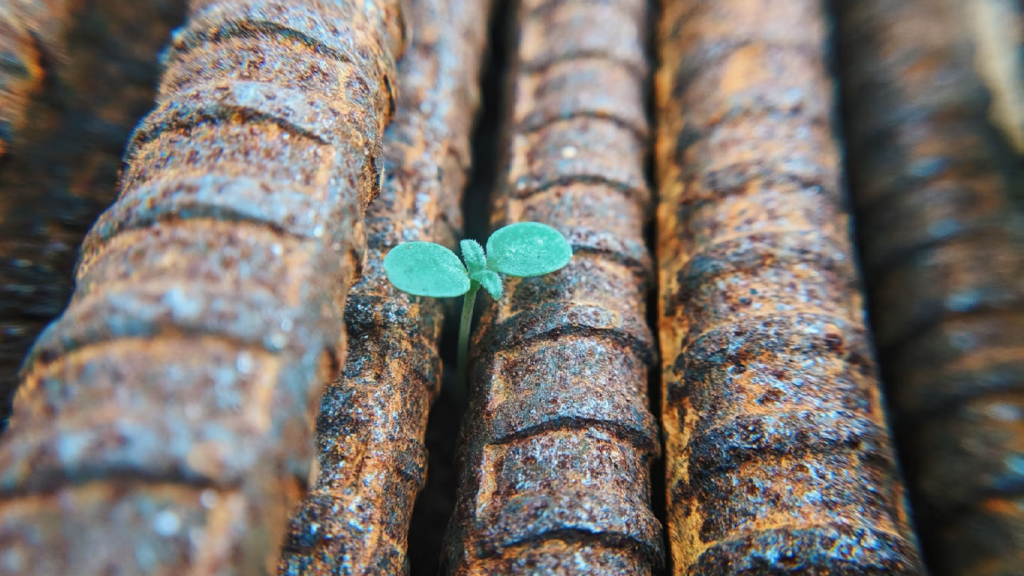
Photo by Mathieu Bigard on Unsplash