Synopsis
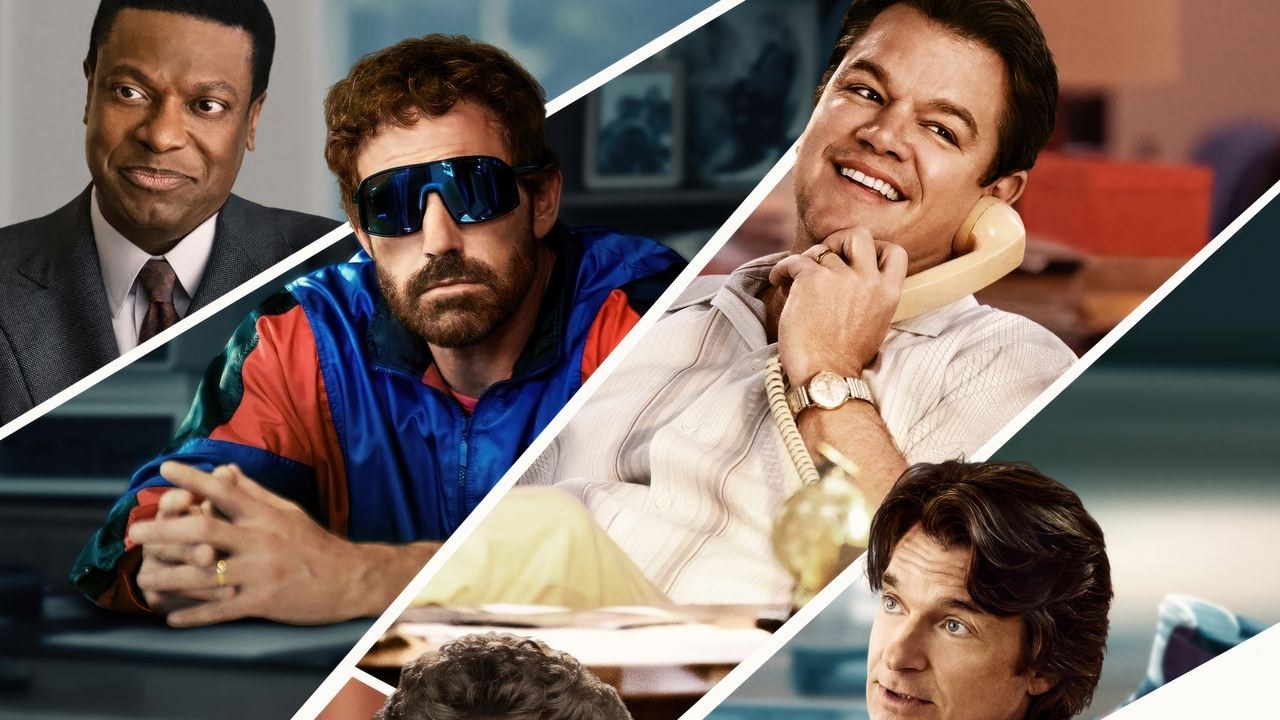
Sonny Vaccaro, a talent scout for Nike’s struggling basketball division in 1984, becomes convinced that the company’s only path to competing with dominant rivals Converse and Adidas lies in making an unconventional, all-in gamble: building an entire signature shoe line around a single, not-yet-proven rookie player, Michael Jordan, rather than following the company’s traditional strategy of spreading its limited endorsement budget across multiple established players.
Sonny’s conviction faces significant internal resistance from Nike’s own leadership and budget constraints, as well as competition from Jordan’s own clear preference for signing with a rival company, requiring Sonny to bypass conventional agent negotiations entirely and appeal directly to Jordan’s mother, Deloris, whose sharp business instincts and insistence on fair compensation and genuine respect for her son’s value fundamentally reshape the terms of the eventual deal in ways that would prove transformative for the entire industry.
As Sonny and Nike’s leadership, including company founder Phil Knight, work to secure and structure this unprecedented deal, the film traces both the calculated business risk involved and the genuine conviction, verging on something like faith, that Sonny maintains throughout regarding Jordan’s exceptional, transformative potential, a conviction ultimately vindicated by the historic success of the Air Jordan brand and its lasting transformation of the relationship between athletes, endorsement, and genuine partnership in professional sports.
Analysis
Conviction Sustained Against Overwhelming Institutional Skepticism
Sonny’s unconventional strategy meets significant resistance from Nike’s own leadership, who remain skeptical of betting the company’s limited basketball budget entirely on a single unproven rookie rather than following established industry practice, requiring Sonny to sustain his conviction and advocate persistently for an approach nearly everyone around him initially considers reckless.
This portrayal of conviction sustained against overwhelming institutional skepticism offers a broader reflection on the difficulty and value of maintaining genuine belief in an unconventional approach when surrounded by reasonable, experienced doubt, suggesting that genuine innovation often requires exactly this kind of sustained, costly advocacy against prevailing institutional wisdom.
Fair Value Demanded Rather Than Simply Accepted
Deloris Jordan’s insistence on genuine respect and fair compensation for her son’s value, refusing to accept the industry’s conventional, comparatively modest terms for athlete endorsement deals, fundamentally reshapes the structure of the eventual agreement, securing an unprecedented profit-sharing arrangement that would prove transformative for how athletes are compensated industry-wide.
This portrayal of fair value actively demanded rather than passively accepted illustrates how challenging established, seemingly fixed industry conventions can produce genuinely transformative change, suggesting that accepting conventional terms simply because they are conventional forecloses possibilities that more assertive advocacy might otherwise achieve.
Genuine Belief in Unproven Potential
Sonny’s conviction about Jordan’s exceptional potential, sustained well before any concrete evidence of Jordan’s eventual historic success as a professional player, reflects a form of genuine belief that exceeds what available evidence alone could fully justify, a conviction the film treats with genuine respect rather than simply as fortunate, retrospectively-validated luck.
This portrayal of genuine belief in unproven potential, sustained through persistent advocacy despite significant uncertainty and risk, suggests that meaningful achievement sometimes requires this kind of sustained conviction and willingness to act on judgment that cannot yet be fully verified by available evidence alone.
A Family’s Business Acumen Reshaping an Industry Standard
Deloris and James Jordan’s careful, deliberate negotiation on their son’s behalf, refusing to simply defer to Nike’s initial offer or conventional industry practice, reflects a family exercising genuine agency and business acumen in protecting and advancing their son’s interests, ultimately reshaping not just their own son’s compensation but the broader industry standard for athlete endorsement deals going forward.
This portrayal of a family’s deliberate advocacy reshaping broader industry practice suggests that individual instances of demanding fair treatment, when pursued with sufficient conviction and skill, can produce changes that extend well beyond the immediate parties involved, setting new standards and expectations for an entire industry.
Questions for Discussion
1. Sonny’s strategy of building Nike’s basketball division around a single unproven rookie meets significant internal resistance. What does his sustained advocacy despite this skepticism suggest about the difficulty and value of maintaining genuine conviction against prevailing institutional wisdom?
2. Deloris Jordan refuses to accept the industry’s conventional terms for athlete endorsement deals, insisting on fair value and genuine respect. What does her advocacy suggest about the difference between accepting established convention and actively demanding what is genuinely deserved?
3. Sonny’s belief in Jordan’s exceptional potential precedes any concrete evidence of his eventual historic success. What does this genuine belief, sustained despite uncertainty, suggest about the role of conviction in meaningful achievement?
4. The Jordan family’s negotiation reshapes not just their own son’s compensation but the broader industry standard for athlete endorsements. What does this suggest about how individual advocacy can produce change extending well beyond the immediate parties involved?
5. What responsibility did the sports industry bear, prior to this deal, for the comparatively modest terms athletes had historically received for endorsement deals, given the value they actually generated for companies like Nike?
6. Is Sonny’s conviction about Jordan best understood as genuine insight, calculated risk-taking, or simply fortunate speculation that happened to be vindicated by subsequent events? Defend your interpretation.
7. How does the film’s focus on the business negotiations behind an iconic sports partnership illuminate broader questions about fair value, risk, and institutional resistance to unconventional approaches?
8. What do you think the film ultimately suggests about the relationship between taking genuine risks based on sustained conviction and the institutional caution that often, reasonably, resists such risks?


