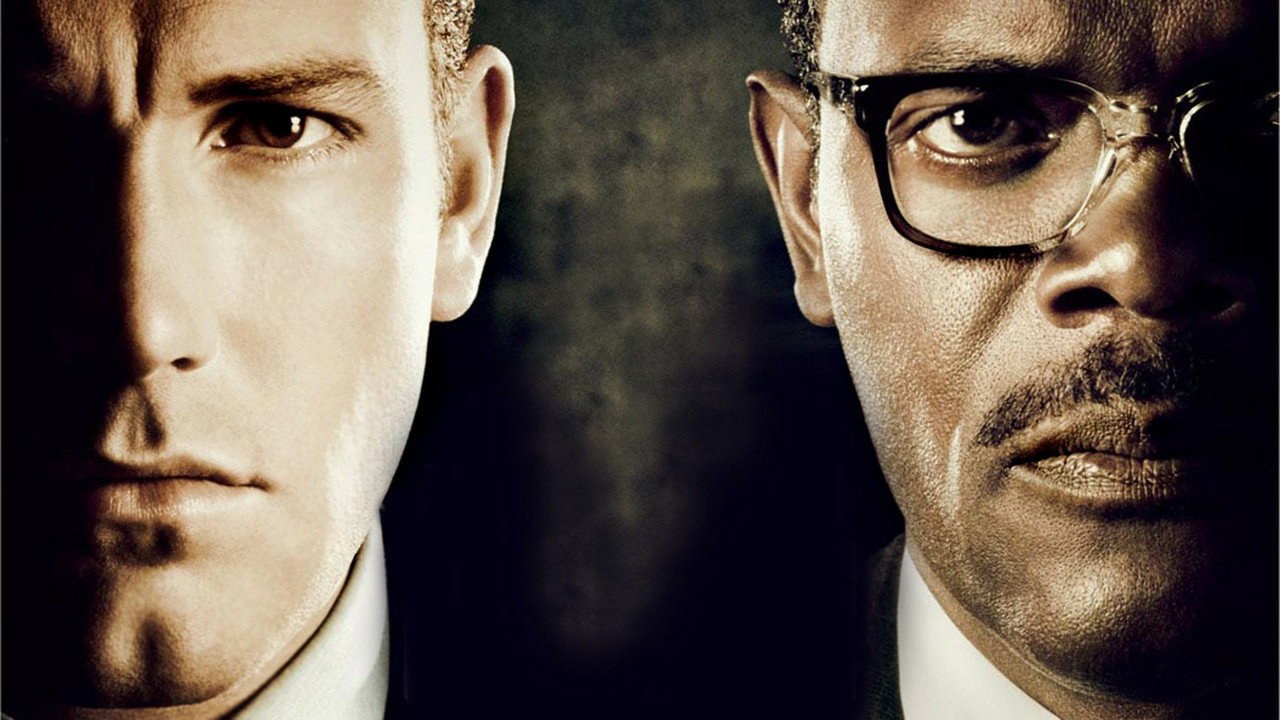
Synopsis
Gavin Banek, a successful, ethically compromised attorney rushing to file crucial documents for a court hearing, and Doyle Gipson, a recovering alcoholic insurance salesman on his way to a custody hearing that could determine whether his children remain in his life, collide their cars on a New York highway, a minor accident that Gavin, desperate to make his hearing, tries to resolve by simply handing Doyle a blank check and driving off, leaving Doyle stranded without a working car and missing the very hearing that determines his family’s future.
In the chaos of the accident, Gavin accidentally leaves behind a crucial legal file needed to win his own case, and when Doyle refuses to return it after discovering how thoroughly Gavin dismissed him, the two men become locked in an escalating, increasingly vindictive campaign of retaliation against one another across a single day, each using whatever power and resources available to them – Gavin’s legal and financial connections, Doyle’s own more limited but determined resourcefulness – to inflict serious harm on the other’s life and livelihood.
As the day’s escalating retaliation brings both men to the brink of catastrophic personal and professional ruin, each is forced to confront the corrosive effect this single day of vindictiveness has had on values and relationships they claim to care about far more deeply – Gavin’s uneasy complicity in his law firm’s fraudulent dealings, Doyle’s fragile sobriety and desperate hope for reconciliation with his family – ultimately choosing, in the film’s final act, to step back from mutual destruction and instead attempt genuine repair of both the damage they have caused each other and the deeper compromises in their own separate lives that the day’s chaos has forced into the open.
Analysis
A Small Wrong Escalating Through Repeated Retaliation
The conflict between Gavin and Doyle begins with a minor traffic accident and Gavin’s careless, dismissive treatment of Doyle in its aftermath, an initial wrong that could have been resolved through a simple apology and basic decency, but instead escalates, through each man’s subsequent choice to retaliate rather than de-escalate, into a day of genuinely catastrophic mutual harm.
This escalation from a minor, easily correctable wrong into serious mutual destruction illustrates how thoroughly ordinary conflicts can spiral out of proportion once both parties choose retaliation over restraint, suggesting that the initial wrong itself often matters less than each subsequent choice about how to respond to it.
Privilege That Insulates From Ordinary Consequence
Gavin’s initial dismissiveness toward Doyle reflects an assumption, born of wealth and professional status, that problems can simply be resolved by throwing money at them – a blank check in place of genuine accountability – an assumption that fails catastrophically once Doyle, lacking Gavin’s resources but not his determination, refuses to accept this transactional dismissal.
This portrayal of privilege’s tendency to insulate those who possess it from the ordinary consequences and accountability others must face offers a pointed critique of how easily wealth and status can substitute for genuine moral seriousness, at least until circumstances force a more direct, unavoidable reckoning.
Compromises Long Tolerated, Suddenly Made Visible
The day’s escalating conflict forces both men to confront compromises in their separate lives that they had previously managed to avoid fully reckoning with – Gavin’s uneasy complicity in his law firm’s fraudulent handling of a client’s estate, Doyle’s precarious sobriety and his family’s justified wariness about his reliability – compromises that the crisis of this single day makes newly, urgently visible.
This portrayal of crisis forcing previously tolerated compromises into unavoidable visibility suggests that certain moral evasions, however successfully managed in ordinary circumstances, tend to surface decisively once sufficient pressure and consequence force a person to fully confront what they have been avoiding.
Choosing Repair Over Continued Mutual Destruction
Both Gavin and Doyle, having brought each other and themselves to the brink of serious, potentially irreversible harm, ultimately choose to step back from further escalation and instead pursue genuine repair – Doyle returning the file, Gavin working to correct the fraud he had been complicit in – a choice that requires each man to accept some loss and humility rather than continuing to pursue total victory over the other.
This final turn toward repair rather than continued victory suggests that breaking a cycle of escalating retaliation ultimately requires at least one party’s willingness to absorb a loss or accept vulnerability rather than continuing to insist on total vindication, a willingness the film credits as harder, and ultimately more valuable, than simply winning the conflict outright.
Questions for Discussion
1. The conflict between Gavin and Doyle begins with a minor accident and escalates into serious mutual harm. What does this escalation suggest about how ordinary conflicts can spiral out of proportion through repeated choices to retaliate rather than de-escalate?
2. Gavin initially tries to resolve the accident by handing Doyle a blank check rather than genuine accountability. What does this response suggest about how privilege and wealth can substitute for genuine moral seriousness?
3. The day’s crisis forces both men to confront compromises in their separate lives – Gavin’s complicity in fraud, Doyle’s precarious sobriety – that they had previously avoided fully reckoning with. What does this suggest about how crisis can make previously tolerated compromises newly visible?
4. Both men ultimately choose repair over continued escalation, requiring each to accept some loss rather than pursue total victory. What does this choice suggest about what is actually required to break a cycle of mutual retaliation?
5. Is Gavin or Doyle more morally responsible for the day’s escalating conflict, or does the film present their mutual retaliation as more or less equally shared? Defend your answer.
6. What responsibility does each man bear not just for his own actions during the conflict, but for the underlying compromises in his life that the conflict exposes?
7. How does the film’s compressed timeframe – a single day – shape your understanding of how quickly a minor wrong can escalate when neither party chooses to step back?
8. What do you think the film ultimately suggests is required to genuinely resolve a conflict, once it has escalated as far as Gavin and Doyle’s has, beyond simply ceasing further retaliation?


