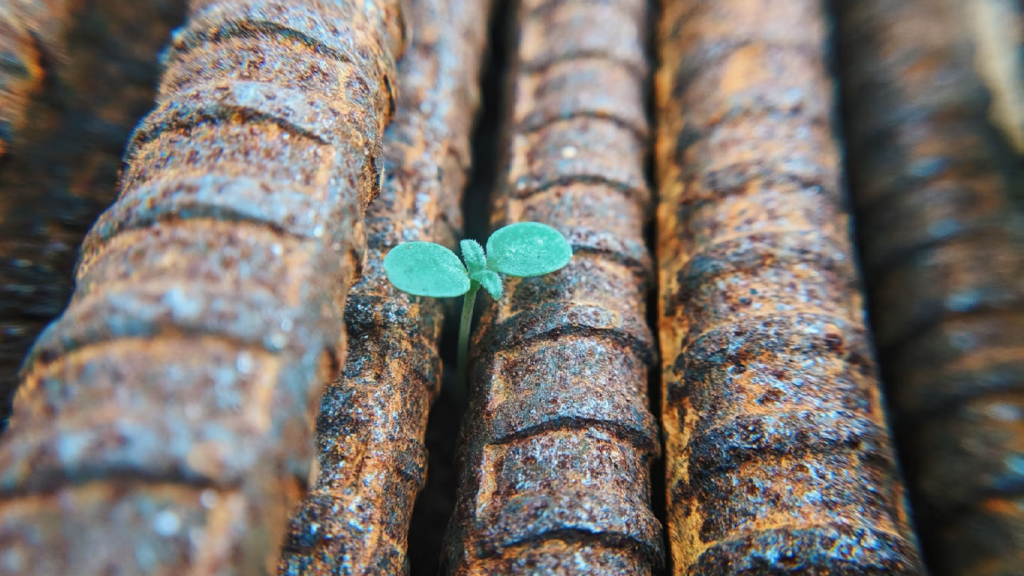
Our Lord tells us in the Gospel, “Do not be anxious about tomorrow, for tomorrow will be anxious for itself. Let the day’s own trouble be sufficient for the day.” These words invite us to live with confidence in God’s providence and to give our full attention to the life he places before us now. Yesterday has passed, tomorrow has not yet arrived, and the only moment in which we can actually love God, serve others and respond to grace is the present.
We should not simply forget the past. Looking back, we find many reasons for gratitude. God has given us graces and blessings that we may not have recognized at the time, and other people have helped us in countless ways. We also remember our sins, mistakes and omissions, not in order to remain trapped in regret, but so that we can ask forgiveness, learn from them and begin again. Once we have done what can reasonably be done to repair the past, we should entrust it to God’s mercy. We cannot return to yesterday and live it differently.
The future belongs to God’s providence in a similar way. We should plan responsibly and prepare for foreseeable needs. Prudence requires us to think ahead, make decisions and take reasonable precautions. Yet planning for the future is very different from trying to live it in advance. We do not know exactly what tomorrow will bring, and much unnecessary suffering comes from carrying imagined burdens before they have actually been given to us.
When tomorrow becomes today, God will give us the grace we need to live it. We may not possess today the strength required for a cross that belongs to some future moment, because that strength is not yet needed. Grace is given for reality. We often burden ourselves by imagining a possible illness, loss or difficulty and then emotionally living through an event that may never occur.
This is why Christ continually brings us back to the present. Today is the day in which we can grow in holiness through the ordinary circumstances of our life. Most of these circumstances will not be dramatic. They consist of our work, prayer, family responsibilities, conversations and the small opportunities to serve that arise throughout the day. Some are pleasant and others require effort, but all of them can become occasions to love God.
We sometimes imagine that we would live the Christian life better under different circumstances. We might think that we would pray more if we had fewer responsibilities, be more patient if certain people were easier to live with or be more generous once our present difficulties have passed. There may indeed be circumstances that prudence requires us to change, but holiness cannot be postponed until life becomes ideal. God calls us in the circumstances we have now.
This does not mean that everything that happens has been directly willed by God. Illness, injustice, human mistakes and sin all affect our lives, and we should resist or remedy what ought to be changed when we can. Providence means something deeper: nothing can place us beyond God’s care, and no circumstance prevents us from responding with faith and love. Even when something has gone badly, God remains present and can bring good from what he permits.
Our imagination can make this trust difficult. It easily carries us away from reality. We may idealize the past and remember it as happier or simpler than it really was. We can also imagine a future in which everything has finally fallen into place and no serious effort is required. At other times, our imagination does the opposite and fills the future with possibilities that frighten us.
In both cases, we lose contact with the present. We spend our energy on what no longer exists or what may never exist, while the real duty before us receives less attention. Scripture warns that the person who continually watches the wind will never sow. There comes a time when we have to stop waiting for perfect conditions and do what ought to be done.
This applies especially to the good we are tempted to postpone. We may delay an apostolic initiative because the moment does not seem ideal or postpone an important conversation because we hope circumstances will somehow become easier. Sometimes waiting is prudent, but there is also a kind of hesitation that disguises fear. The Apostles could not have waited for a world perfectly prepared to receive the Gospel. They began in the circumstances they had.
The Christian life is lived hic et nunc—here and now. Here and now we can love God. Here and now we can fulfil our duties, serve another person, forgive and begin again. The present moment may appear very ordinary, but our entire life is made up of such moments.
We should therefore learn to give real importance to each day without becoming anxious about using every minute perfectly. Today will never return in exactly the same form. The people we meet and the opportunities before us belong to this day. We will certainly waste some time and make mistakes, but the essential thing is to receive the day as a gift and try to fill it with love.
Worry makes this more difficult. Fruitless anxiety does not prevent the misfortune we fear. It makes us carry a burden before the burden has arrived, and before God has given us the grace required to bear it. It can also magnify future difficulties until they seem greater than our present strength.
Our Lord asks us to trust the Father who knows us and cares for us. Through the prophet Isaiah, God says that even if a mother could forget the child at her breast, he will not forget us. Confidence in Providence rests on this personal truth. We are not entrusting ourselves to an impersonal force but to a Father.
This confidence does not guarantee that nothing painful will happen. Christian faith does not promise an easy future. It tells us that whatever happens, God will not cease to be with us. We may face illness, disappointment or circumstances we never expected, but none of these things can separate us from his love.
For this reason, confidence in God is deeper than ordinary optimism. Optimism expects things to turn out well. Trust remains even when they do not turn out as we hoped. We can be disappointed and still believe that our life remains in God’s hands.
Holy abandonment grows from this confidence. We try to say sincerely, “Lord, I want what you want, because you want it, as you want it, for as long as you want it.” This does not mean that we no longer have preferences or that we should never ask God to change painful circumstances. Christ himself prayed in Gethsemane that the cup might pass from him. Abandonment means that beneath our requests we remain willing to trust the Father.
It also does not lessen our responsibility. We still have to act. If we are sick, we seek appropriate medical care. If a problem can be solved, we work to solve it. If we have a difficult decision to make, we gather the facts, seek advice if necessary and use prudence. Trust in God never means negligence.
The difference appears when we reach the limits of what we can control. We do what belongs to us and then leave the result in God’s hands. Without responsibility, trust can become passivity. Without abandonment, responsibility can become an attempt to control everything. Christian maturity requires both.
The Israelites gathering manna in the desert provide a helpful image. God gave them what they needed each day. Some tried to store more than necessary because they feared there might not be enough tomorrow, but the extra manna spoiled. The lesson is not that we should never save or prepare for the future. It is that our deepest security cannot come from trying to guarantee everything ourselves.
There will always be a future beyond our control. At some point we have to trust.
God gives us the manna for today. Tomorrow, when it becomes today, he will give what is needed then.
This way of thinking is especially helpful in the spiritual struggle. We can become discouraged when we look too far ahead. We see how many defects remain and imagine that we must overcome them all at once. We think about a whole lifetime of fidelity and feel overwhelmed by the distance.
God generally asks something much simpler. What is the struggle of today? Perhaps we need to control one impatient reaction, begin a task we have been avoiding or keep the time of prayer we have resolved to give him. We do not have to achieve complete holiness by tomorrow. We need to respond to the grace of the present moment.
The same is true when we struggle repeatedly with a particular fault. We can frighten ourselves by imagining that we must guarantee that we will never fall again. We cannot make such guarantees. We can ask for grace, take practical means and try to be faithful now. If we fail, we return to God and begin again.
Living in the present also makes us more available to other people. When our mind is constantly occupied with the past or future, we can fail to notice the person in front of us. Someone speaks and we barely listen because our thoughts are elsewhere. An opportunity to help passes unnoticed because we are absorbed in our own concerns.
Love requires presence. We need to live where our body actually is and pay attention to the people God has placed around us. Often the most important thing we can do today is not some distant project but the small act of charity that is immediately before us.
For this reason, we sometimes need to discipline our imagination. A troubling possibility may enter our mind, and we can ask whether anything practical should be done about it now. If the answer is yes, we act. If nothing can presently be done, we place it in God’s hands and return to our duty.
This can spare us much suffering over imaginary crosses. We sometimes live through catastrophes in advance. We picture an illness, a failure or the loss of someone we love and begin carrying the emotional weight of something that exists only in our mind.
If the cross eventually arrives, God will give grace for the real cross. We do not need to manufacture additional ones.
At the same time, we should not speak of anxiety too simplistically. Some people experience anxiety because of temperament, stress, trauma, illness or psychological conditions. They may continue to experience strong fears even while sincerely trusting God. Such suffering should never be reduced to a lack of faith, and appropriate professional help may be necessary.
Confidence in God does not always remove anxious feelings. Sometimes it enables us to continue acting faithfully while those feelings remain. We can be afraid and still trust.
Christ himself shows us this in Gethsemane. He experienced profound anguish and did not pretend otherwise. Yet in the midst of that anguish he placed himself entirely in the Father’s hands. Trust was not the absence of suffering. It was the act of love he made within it.
We can pray in the same way. We tell God honestly what worries us and ask for the outcome we desire. Then, as best we can, we add: Father, I trust you.
Our past can help us acquire this confidence if we remember it properly. We have already lived through difficulties that once seemed overwhelming. There were circumstances we could not foresee and moments when we did not know what would happen next. Yet somehow we reached the present.
Often we can now recognize graces that we did not see at the time. Someone helped us, a door opened unexpectedly or we received the strength to do something we had thought impossible. Even some failures eventually led to good that we could not have predicted.
Memory can therefore become a school of trust. We should not use the past only to nourish regret. We can also use it to remember God’s fidelity.
Gratitude helps us do this. We look back and notice the gifts that accompanied us, many of them so ordinary that we scarcely recognized them. We remember people who loved us, opportunities we received and countless small provisions of Providence.
This does not mean that everything in the past was good. Some wounds remain painful and some losses cannot be undone. But suffering was never the whole story.
The same confidence allows us to deal peacefully with our past sins. We cannot undo them, but we can repent. Through Confession, God forgives what we bring sincerely to him. We may still have consequences to repair, but we should not continue condemning ourselves after receiving his mercy.
Yesterday belongs to God’s mercy. Tomorrow belongs to his providence. Today belongs to our love.
This simple truth can bring great order to the interior life. We entrust the past because we cannot change it, the future because we cannot yet live it, and we give ourselves to the present because this is where God meets us.
Sometimes we would like to know how the whole story ends. We resemble a child who cannot resist turning to the last pages of a book because the uncertainty is uncomfortable. Yet God ordinarily gives our life one page at a time.
We do not need the grace for the final chapter while we are still living this one.
This teaches humility. We do not control the entire story and cannot see it as God does. We may not understand why certain events were permitted or how present difficulties will eventually fit together.
Faith does not give us complete knowledge. It gives us someone to trust.
This makes us more effective, not less. When we live in the present, our energy is concentrated on reality. We solve the problem that actually exists rather than ten hypothetical problems. We attend to the person who actually needs us. We carry the cross we have rather than the crosses our imagination has invented.
The present is concrete. It gives us something we can do.
This is also important in apostolate. We can indefinitely postpone an invitation or conversation because we are waiting for the perfect opportunity. Prudence certainly matters, but sometimes the good that can be done today should simply be done.
The same applies to our own conversion. We may imagine that we will take God more seriously after some present difficulty has passed. But another difficulty will usually take its place. Holiness begins in the unfinished life we already have.
At the end of each day, we can place that day in God’s hands. We thank him for what was good, ask pardon for our failures and entrust whatever remains unfinished. We do not have to carry every unresolved issue into the night.
Then we rest.
If God gives us tomorrow, we will begin again.
This daily rhythm gradually teaches us abandonment. We discover by experience that grace arrives as it is needed. We become less frightened by not knowing what comes next because our security no longer depends upon knowing the future.
It depends upon knowing the One who will be there.
We therefore plan responsibly but hold our plans lightly. We work hard without imagining that everything depends upon us. We prepare for foreseeable needs while refusing to suffer imagined disasters in advance.
Above all, we return to the present.
Here and now we can pray. Here and now we can love the people around us. Here and now we can do our work well, make the sacrifice before us and begin again after failure.
Tomorrow will arrive soon enough. When it does, it will no longer be tomorrow. It will be another today, accompanied by another grace.
Until then, we can leave it confidently in the hands of our Father.
*By the Via Virtutis team
Photo by Bruno van der Kraan on Unsplash