Synopsis
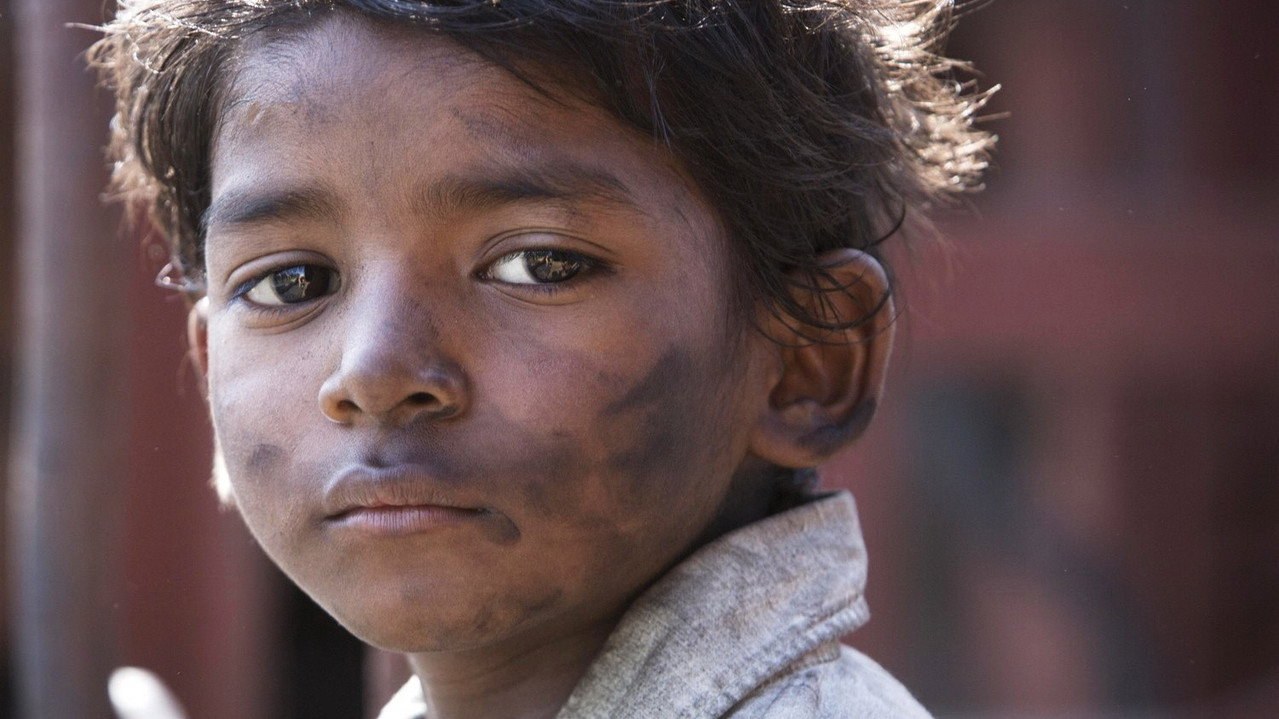
Five-year-old Saroo lives with his mother and siblings in a poor village in central India, accompanying his older brother Guddu on a night trip to a train station to search for work and coins. Falling asleep waiting on an empty train, Saroo wakes to find himself locked inside and hurtling toward Calcutta, over a thousand miles from home, arriving in a city where he speaks a different language and cannot explain where he is from or find his way back.
After weeks surviving alone on the streets, narrowly escaping several dangers, Saroo is placed in an orphanage and eventually adopted by an Australian couple, Sue and John Brierley, who raise him with genuine love in Tasmania alongside another adopted Indian boy whose troubled adjustment contrasts with Saroo’s own apparent contentment. Decades later, as an adult, Saroo is unexpectedly overwhelmed by fragmented childhood memories triggered by a chance encounter with Indian food and community, reigniting a buried longing to find his birth family.
Using the newly available technology of satellite imagery on Google Earth, Saroo spends years secretly and obsessively scanning the landscape around Calcutta’s train lines for any landmark he recognizes from childhood, straining his relationship with his girlfriend and his adoptive mother in the process. He eventually identifies his home village, travels to India, and is reunited with his birth mother and sister, who never stopped believing he was alive, while confirming that his brother Guddu died the very night Saroo became lost.
Analysis
Two Mothers, Both Real
The film refuses to set Saroo’s birth mother and his adoptive mother against each other as competitors for his loyalty; both are shown as genuinely, fiercely loving him in the ways available to them; one through decades of searching and hope despite unimaginable loss, the other through the deliberate, chosen love of adoption across continents and culture. Saroo’s eventual reunion with his birth mother does not require him to reject or diminish what Sue gave him.
This refusal to choose between them reflects something true about love that does not compete for scarcity: Saroo’s expanded family, rather than a zero-sum replacement of one mother for another, becomes the film’s final image of what love actually makes possible when it is not treated as a limited resource.
The Weight of an Unresolved Past
For years, Saroo appears to have successfully built a stable, loving life in Australia, yet his buried grief and unresolved identity resurface with overwhelming force once triggered, nearly consuming his relationships and his sense of self in the process. The film suggests that an unresolved past does not simply disappear because a person has moved on materially; it can remain dormant, waiting, regardless of how settled a life appears on the surface.
Saroo’s obsessive searching, which isolates him from those who love him in the present, shows both the necessity and the danger of confronting a buried past: necessary because the alternative is a permanent, unaddressed wound, dangerous because the search itself can temporarily consume the very relationships that sustain him.
A Mother’s Faith Against All Evidence
Saroo’s birth mother refuses for decades to move from the area where Saroo disappeared, believing against all practical reason that he is still alive and might one day return, even as neighbors and time itself suggest she should accept his death. Her stubborn, unreasonable hope is ultimately vindicated, but the film does not pretend this outcome was likely or that her faith was rewarded because it was reasonable.
This portrayal of hope maintained against overwhelming odds, sustained not by evidence but by love and refusal to give up, gives the eventual reunion a weight that a more probable, expected outcome could not have carried.
Adoption as Deliberate, Chosen Love
Sue and John Brierley choose to adopt not out of an inability to have biological children, as Sue explains in one of the film’s most affecting scenes, but out of a deliberate conviction that there were children in the world needing homes more than the world needed more of their own biological children. This choice reframes adoption not as a fallback option but as its own positive, chosen vocation.
The contrast between Saroo’s relatively smooth adjustment and the other adopted boy’s severe trauma and struggle also honestly acknowledges that chosen love, however genuine, cannot always undo the damage a child has already suffered before adoption – a complexity the film treats with compassion rather than simple triumph.
Questions for Discussion
1. The film refuses to present Saroo’s birth mother and adoptive mother as competitors for his loyalty. What allows both relationships to remain genuine and uncompeting in the story?
2. Saroo appears to have built a stable, happy life in Australia for years before his buried past resurfaces. What does this suggest about how unresolved grief or identity can remain dormant despite outward stability?
3. Saroo’s search for his birth family isolates him from his girlfriend and adoptive mother for a time. Is this cost justified by what he eventually gains? Explain your reasoning.
4. Saroo’s birth mother refuses for decades to believe he is dead, against all practical reason. What does her sustained hope suggest about the relationship between faith and evidence?
5. Sue Brierley explains that she and John chose adoption deliberately, not as a fallback from infertility. How does this framing change how you understand their motivation for adopting Saroo?
6. The other adopted boy in the Brierley household struggles far more than Saroo does. What does this contrast suggest about the limits of even genuine, loving adoption to undo prior trauma?
7. What responsibility, if any, does Saroo have to both families once he is reunited with his birth mother? How might he honor both relationships going forward?
8. Saroo’s brother Guddu dies the night Saroo becomes lost, a fact Saroo only learns as an adult. How might this knowledge change how Saroo understands the years he spent searching?


