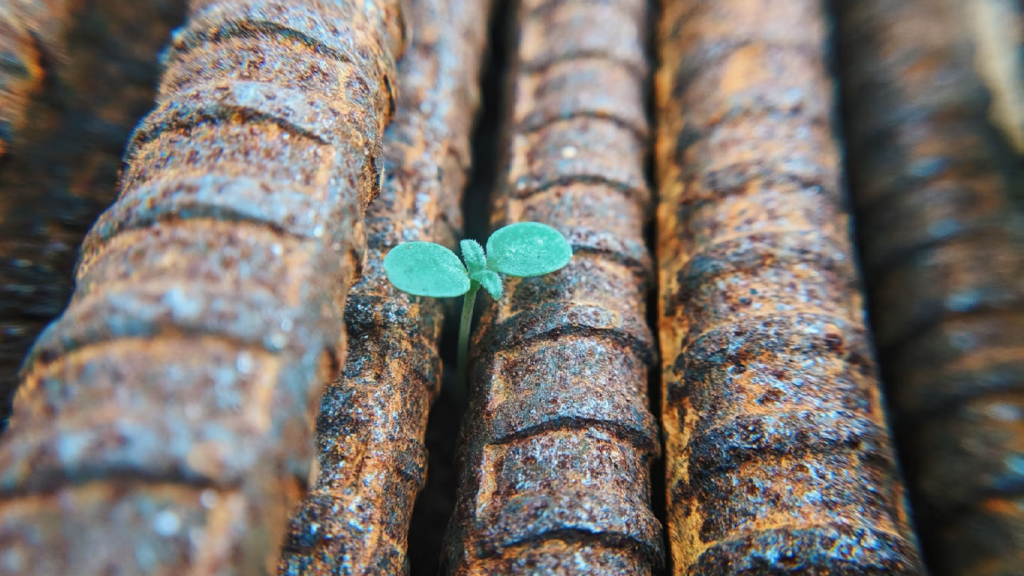
Our Lord tells His disciples that they are the salt of the earth, keeping the world from going bad and making it agreeable to the palate. But when salt loses its savour, it becomes completely useless. This loss of flavor is, after sin, the saddest thing that can befall a Christian, whose purpose in life is to bring light to others rather than contributing to the darkness. Instead of pointing those around us in the right direction, a soul that has lost its vigor becomes disoriented and aimless, communicating weakness rather than strength. Lukewarmness is a disease of the soul that affects both the intellect and the will, leaving us devoid of the strength to carry out apostolate while filling us with sadness and impoverishment. This condition usually begins with a weakening of the will, brought about by repeated faults and culpable omissions, where we consistently fail to do what is right. When we become careless regarding the small details that demonstrate love, Christ seems to fade from our horizon. Practices of piety become empty routines performed out of habit rather than love, and we lose the joy and spontaneity that naturally characterize a soul in love with God.
Saint Thomas Aquinas notes that lukewarmness is accompanied by a spirit of heaviness, making us sluggish in spiritual exercises because they weary us. In this state, norms of piety feel like burdens we find hard to bear, rather than serving as the central source of energy that drives us forward. There is a great deal of savourless salt in the world today, which makes it essential for us to reflect honestly on our own lives. We must examine whether we are moving forward with confidence, regarding our daily conversation with God as a treasure that nourishes our interior life. When we notice our own weaknesses and lack of correspondence with grace, making prompt acts of contrition allows us to close the small breaches in our spiritual defenses before they widen.
We should be careful not to confuse lukewarmness with the natural feeling of dryness that sometimes accompanies our prayer. Aridity can be produced by fatigue, illness, or a temporary loss of emotional enthusiasm, yet through it all, the will remains firmly set on what is good. A soul experiencing aridity knows it is traveling toward Christ, even if it must pass through a barren waste where no consolation can be found. True devotion, as Saint Thomas defines it, is simply the readiness of the will to give itself to the service of God, and this readiness persists even when feelings are absent. The person who continues to pray during periods of aridity acts like someone drawing water from a well bucket by bucket, putting in steady effort to draw out grace. In contrast, lukewarmness allows the imagination to run wild, surrendering to distractions and abandoning prayer under the excuse that it brings no tangible results. Genuine conversation with God, even when dry, is always fruitful as long as we maintain a right intention.
True piety is not primarily a matter of feelings, though sensitive affections are a natural part of our humanity and can certainly assist us in prayer. These feelings must not occupy a central place in our relationship with God, as the essence of devotion lies in the firm determination of the will to serve Him regardless of our changeable moods. To let our spiritual lives be guided strictly by emotion is like handing over the management of a house to a servant while the owner abdicates responsibility. While feelings themselves are not bad, attributing too much importance to them distorts our spiritual growth. Aridity can often serve as a positive instrument through which God purifies a soul, whereas lukewarmness remains entirely sterile, rendering the salt useless to the world.
As Christians, our passage through life is never a matter of indifference to others; we either help them find Christ or separate them from Him. So many people around us pursue material goods in a search for fulfillment, traveling through life like lost travelers. If we are to guide others, it is not enough to have a vague or superficial knowledge of the way derived from hearsay. We need to walk the path ourselves, possessing firsthand experience of its obstacles through an active interior life and daily conversation with Jesus. Apostolate is the direct fruit of a deep love for Christ. The first Christians were true salt for the earth, preserving entire institutions and societies from moral decay. By contrast, much of the compromise and spiritual slumber seen in modern society stems from a widespread lukewarmness that has replaced daily heroism with mediocrity. When faith falls asleep and love grows cold, our witness loses its capacity to attract others to Christ.
If we find ourselves slipping into lukewarmness, we must fervently ask God for the strength to react, keeping up our daily conversation with Him and approaching the Holy Eucharist with renewed faith. Love was the moving force in the lives of the saints and remains the sole rationale for a life dedicated to God. While lukewarmness gives up at the slightest difficulty and makes mountains out of molehills, love transforms the soul, opens new horizons, and overcomes personal obstacles without dwelling on the effort involved. Turning with confidence to the Blessed Virgin Mary and our Guardian Angels, we can ask for the grace to remove every shadow of lukewarmness from our hearts, remaining diligent and joyful in God’s service.
*By the Via Virtutis team
Photo by Vladislav Babienko on Unsplash