Synopsis
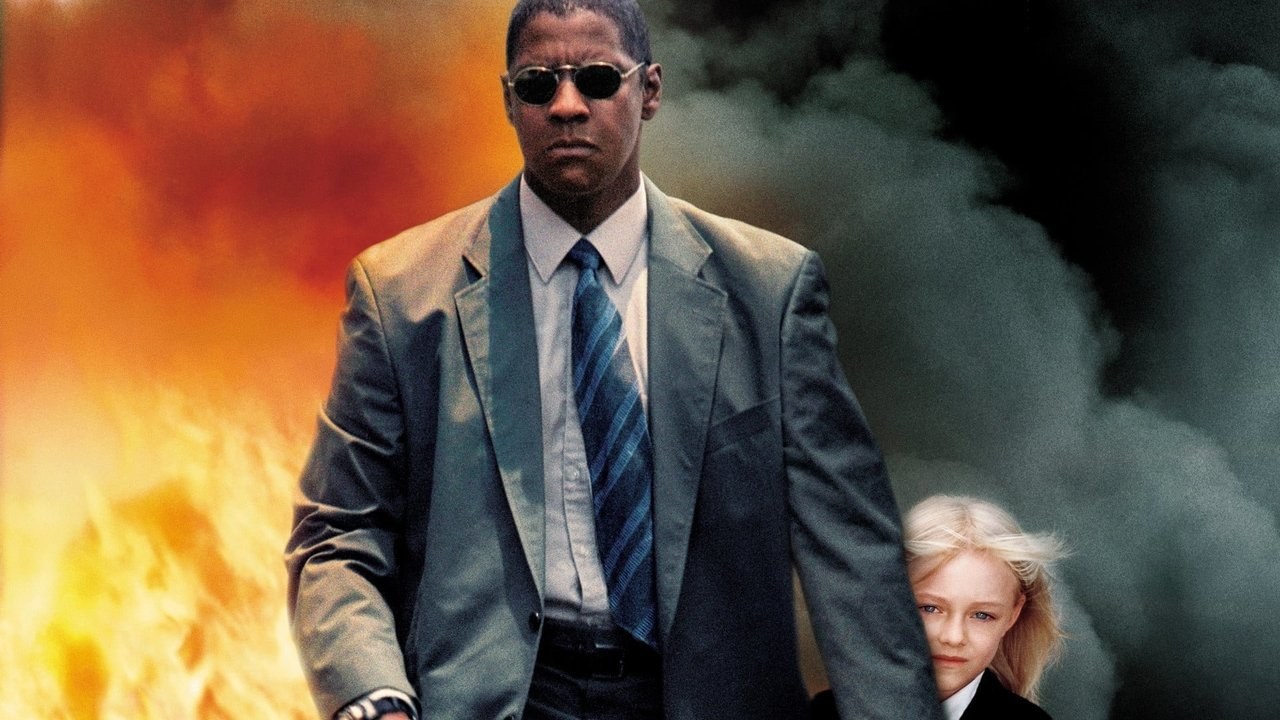
John Creasy, a former CIA operative and elite soldier haunted by a lifetime of violence and a deep, unresolved despair that has led him to contemplate suicide, reluctantly accepts a job as a bodyguard for Pita, the young daughter of a wealthy family in Mexico City, a role he initially approaches with detached professionalism rather than any genuine emotional investment, given his own profound cynicism and exhaustion with the world.
As Creasy spends time with Pita, whose genuine warmth, innocence, and persistent affection gradually break through his hardened emotional defenses, he develops a deep, paternal love for her that begins to restore some sense of purpose and meaning to his previously empty, despair-filled existence, only for Pita to be violently kidnapped by a criminal organization despite Creasy’s efforts to protect her, and shot during a botched ransom exchange that Creasy survives but that leaves him believing her dead.
Consumed by grief and rage, Creasy embarks on a methodical, brutal campaign of vengeance against everyone involved in Pita’s kidnapping and apparent death, employing extreme, torture-driven interrogation methods to systematically dismantle the entire criminal conspiracy responsible, eventually discovering that Pita has actually survived and remains held captive, prompting Creasy to sacrifice his own life in a final prisoner exchange that secures her freedom and survival at the cost of his own.
Analysis
Love Restoring Purpose to a Life Emptied of Meaning
Creasy’s initial detachment and suicidal despair reflect a life hollowed out by years of violence and moral compromise, a condition his growing paternal love for Pita gradually begins to heal, giving him renewed purpose and emotional investment in something beyond his own exhausted cynicism for what may be the first time in years.
This portrayal suggests that even a life seemingly emptied of meaning and purpose by accumulated trauma and moral compromise retains the capacity for genuine renewal through authentic relationship and love, particularly the kind of uncomplicated affection a child can offer without regard for a person’s past.
Grief Transformed Into Systematic, Extreme Retribution
Creasy’s response to Pita’s apparent death channels his devastating grief entirely into a methodical, extraordinarily violent campaign of vengeance against everyone connected to her kidnapping, employing torture and extrajudicial killing without restraint or any pursuit of legitimate justice through proper channels.
This portrayal raises serious, largely unresolved questions about the moral legitimacy of vengeance pursued through such extreme means, even when motivated by genuine, devastating loss and directed at genuinely guilty parties; the film’s uncritical framing of Creasy’s brutal methods as heroic rather than itself morally troubling invites viewers to consider where, if anywhere, the pursuit of justice for a loved one’s death might have legitimate limits.
Sacrifice as the Final Vindication of Restored Love
Creasy’s discovery that Pita remains alive redirects his entire campaign from vengeance toward rescue, culminating in his willing sacrifice of his own life in a prisoner exchange that secures her freedom, a final act that reorients his violent capabilities entirely toward giving rather than merely taking life.
This final sacrifice offers a redemptive close to Creasy’s arc, suggesting that whatever moral complications attend his earlier campaign of extreme vengeance, his ultimate willingness to trade his own life for Pita’s freedom represents the fullest, most costly expression of the paternal love that had begun restoring meaning to his life before her kidnapping.
Questions for Discussion
1. Creasy’s despair and suicidal contemplation reflect a life hollowed out by years of violence. What does his growing love for Pita suggest about the capacity for renewal even in a life seemingly emptied of meaning?
2. Creasy responds to Pita’s apparent death with extreme, torture-driven vengeance against everyone involved. Does the film present this response as heroic, morally troubling, or does it leave this judgment to the audience? Defend your reading.
3. Is there a meaningful moral difference between Creasy’s earlier career of sanctioned violence and his later extrajudicial campaign of vengeance? Explain your reasoning.
4. Creasy’s discovery that Pita is alive redirects his violence from vengeance toward rescue, culminating in his self-sacrifice. What does this final act suggest about how his capabilities and character have been reoriented by his love for her?
5. What responsibility do wealthy families like Pita’s bear for the security risks and potential violence connected to conspicuous wealth in a context of significant kidnapping-related crime?
6. Does Creasy’s extreme violence against the criminal organization achieve genuine justice, or does the film suggest it simply perpetuates a cycle of brutality, however directed at guilty parties? Explain your view.
7. What allows Pita’s uncomplicated childhood affection to reach Creasy in ways that adult relationships apparently could not, given his hardened emotional defenses?
8. What do you think the film ultimately suggests about the relationship between love, purpose, and the capacity for both extraordinary devotion and extraordinary violence within the same person?


