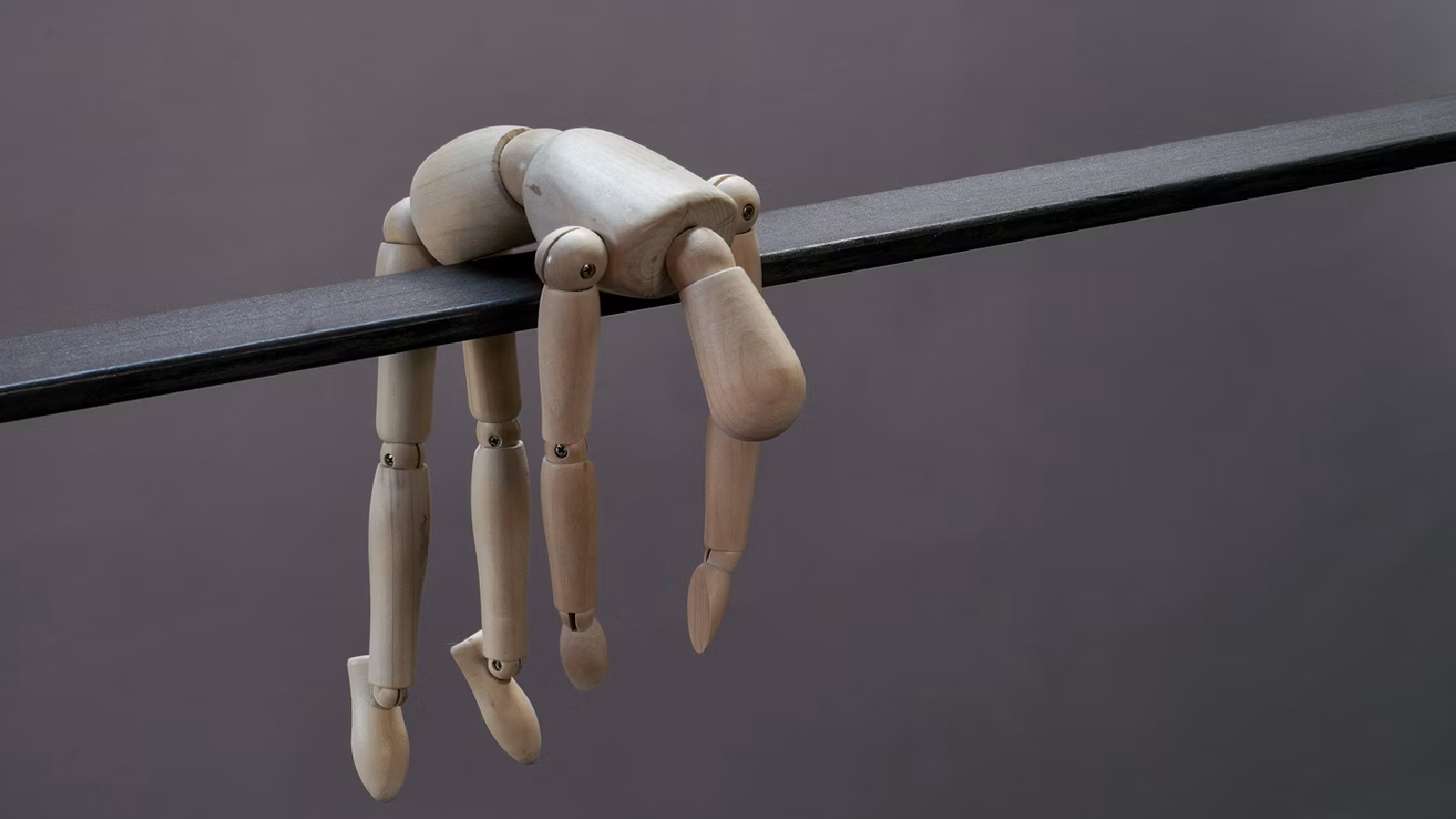
The Gospel of St. John recounts the moving story of the paralytic who had spent thirty-eight years beside the pool of Bethesda. According to popular belief, the waters of the pool occasionally possessed miraculous healing powers, and the sick gathered there hoping to be the first to enter when the water was stirred. For nearly four decades this man had waited, yet each time someone else reached the water before him. When Jesus saw him lying there and knew how long he had suffered, he asked him a surprising question: “Do you want to be healed?” (Jn 5:6).
At first sight, the question seems unnecessary. Why would a man who had endured thirty-eight years of paralysis not wish to be cured? Yet Our Lord wants him to express his desire for healing. God respects our freedom and asks us to cooperate with his grace. Something similar happens in our spiritual life. We may sincerely desire holiness in a general way, but becoming holy requires us to struggle against defects with which we may have become very comfortable. Christ’s question therefore applies to us as well. We have to ask ourselves whether we truly want to change and are prepared to make the effort that change requires.
All of us are aware of weaknesses that seem to return again and again. We make a sincere resolution to become more patient and soon find ourselves irritated by the same things as before. We decide to overcome a particular form of selfishness or pride, only to discover how deeply rooted it is. We may become especially aware of these defects during prayer or in our examination of conscience. After making the same resolution many times and continuing to fall, it is easy to wonder whether we will ever really change.
One danger is that we gradually make peace with our defects. We begin to say, “This is simply the way I am,” and what began as an honest recognition of our temperament becomes an excuse for no longer struggling. We may blame our impatience on the people around us or decide that a deeply rooted habit is simply impossible to change. We certainly need to accept ourselves as we are. Mature self-knowledge requires us to recognize our strengths and limitations without pretending to be someone else. But self-acceptance does not mean being satisfied with everything we find within ourselves. God loves us as we are, but he calls us to grow. Whatever in us diminishes our capacity to love God and others should remain the object of a sincere struggle.
Some weaknesses may accompany us throughout our lives. They may be rooted in temperament, upbringing or habits formed over many years, and a few good resolutions will not make them disappear. Nevertheless, we should never simply surrender to them. If we love Christ, we will want to remove whatever weakens our friendship with him, even when progress is painfully slow. The fact that we have struggled with the same defect for years does not mean that the struggle has been useless.
The paralytic at Bethesda can help us understand this. He had waited thirty-eight years. We know very little about those years, but we do know that he was still beside the pool when Christ arrived. After so long, he had not completely abandoned hope. We too may have defects that remain with us for many years. We pray for patience and continue to become irritated. We want to be less proud and repeatedly discover how sensitive we are to criticism. We try to become more recollected in prayer and continue to struggle with distractions. After years of effort, we may wonder whether we have made any progress at all.
We need to remember that God usually works gradually. We readily accept this in other areas of life. A child takes many years to reach adulthood, and no one expects to master a profession after a few weeks of effort. Yet in the spiritual life we can become impatient when a defect does not disappear quickly. God could remove our weaknesses immediately if he wished, and occasionally he gives someone the grace to overcome a fault very rapidly. More often, he allows the struggle to continue, and through it we learn things that an immediate victory might never have taught us.
The continued experience of our weakness can do us great good if we respond to it properly. Someone who has struggled with impatience for years may become more understanding of the faults of others. Repeated encounters with our own limitations can make us less inclined to judge people harshly and more aware of how much we depend upon grace. We begin to understand that holiness cannot be achieved by willpower alone. We need determination and effort, but we also need God to do in us what we cannot accomplish by ourselves.
For this reason, we should not measure our spiritual growth only by asking whether a particular defect has disappeared. We should also consider how we respond when we fall. Perhaps the fault remains, but we recognize it sooner and make fewer excuses for ourselves. Perhaps we ask forgiveness more readily or have learned to use practical means that make the falls less frequent. We may still have a long way to go, but these changes can represent real progress. God sees not only the defect that remains but also the sincerity and perseverance of our struggle.
St. John Chrysostom observed that Christ’s question to the paralytic revealed the perseverance of a man who had waited so long for healing. In the end, he received far more than he had expected. He did not merely recover the use of his limbs; he encountered Christ. Our struggle against our own defects should lead us toward the same encounter. The spiritual life is not a programme of self-improvement whose purpose is to produce a more disciplined or attractive personality. We struggle because we want to love Christ more completely and remove whatever prevents us from giving ourselves more fully to him.
It may even happen that the defect we most wish to overcome becomes, through our struggle against it, one of the means by which we draw closer to God. We discover how much we need his help and learn to ask forgiveness without losing confidence. Each failure reminds us that we cannot rely entirely upon ourselves, while each new beginning becomes an act of hope in his grace. We should certainly want to overcome our faults, but God may bring fruit from the struggle even before the fault itself disappears.
This perspective is especially important when we fail. We can easily imagine that holiness means eventually reaching a point where we no longer fall. After years of prayer and struggle, we expect to have overcome certain weaknesses once and for all, and their reappearance can be deeply discouraging. Sometimes the discouragement comes partly from wounded pride. We had formed a certain image of ourselves and thought we were further along. We believed that we had become patient, and then we lose our temper; we thought we had grown in humility, only to discover how sensitive we remain when criticized. What troubles us is not always simply that we have offended God. We are also disappointed in ourselves.
If we know ourselves well, we will certainly be sorry for our faults, but we will not be astonished to discover that we are weak. We know that without God’s grace we are capable of falling again. Instead of remaining absorbed in our disappointment, we ask forgiveness, try to understand what happened and begin again. As we mature spiritually, our confidence becomes less dependent upon our opinion of ourselves. When things go well, we thank God for whatever good we have been able to do; when we fail, we return to him without concluding that everything has been lost.
The saints often encourage us to begin again because the Christian life is rarely transformed by one heroic effort. We grow through many acts of fidelity and many new beginnings. St. Francis de Sales advised us not to become agitated when we discover our imperfections. We should acknowledge our failure and rise again without excessive anxiety. Becoming angry with ourselves usually accomplishes little and may reveal that we had placed too much confidence in our own strength. Genuine sorrow for sin draws us back to God; discouragement can leave us preoccupied with ourselves.
None of this means that we should become complacent about our faults. If we repeatedly fall in the same area, we need to take the struggle seriously and examine why it happens. Perhaps there is an occasion we should avoid, a habit that needs to change or a resolution that has remained too vague. We may need advice from someone who knows us well. Above all, we need to ask God persistently for the grace to change. Patient struggle is not passive resignation. We continue using every reasonable human and supernatural means while accepting that growth may take longer than we would like.
When we do fall, we should learn what we can from the failure. We cannot undo what has happened, but we can decide how we will respond. A fall may reveal that we had become careless or overconfident, or it may uncover a motive that we had not previously recognized. If we examine ourselves honestly, even a painful failure can give us greater self-knowledge. The fault itself is not good, and we should never minimize sin simply because God can bring good from it. Yet after we have repented, the experience need not be wasted.
Repeated failures can also make us more understanding of others. Once we have experienced how difficult it is to overcome our own defects, we are less likely to be astonished by the weaknesses of those around us. We remember how often God has forgiven us and become more patient when another person struggles to change. Most importantly, we learn through experience that determination alone cannot transform us. We must make resolutions and struggle seriously, but holiness remains the work of grace in a person who freely cooperates with God.
The sacrament of Reconciliation has an indispensable place in this struggle. Christ knew that after Baptism we would continue to need forgiveness, and he gave his Church the power to forgive sins so that failure would never have to be the end of the story. In Confession we acknowledge our sins without disguising them, receive God’s forgiveness and the grace of the sacrament, and return to the struggle. No matter how many times we have failed, God’s mercy remains greater than our weakness. What matters is that we never allow failure to separate us permanently from him.
Our examination of conscience should have the same orientation. We look honestly at the day that has passed, recognize where we have failed and ask God for forgiveness. If possible, we identify something concrete that we can do better the next day. Then we move forward. Once we have repented and done what we reasonably can to repair any harm, there is little good in continually looking backward. The past has been entrusted to God, while the present gives us another opportunity to love him.
As we learn to be patient in the struggle against our own defects, we should naturally become more patient with the weaknesses of others. We can easily become frustrated when someone repeats the same fault after receiving good advice, but we need only remember how slowly we ourselves have changed. Perhaps we too have heard the same advice many times without putting it fully into practice. Recognizing this does not mean pretending that faults do not matter. It simply helps us remember that human growth is usually gradual and that another person may need the same patience that God has shown us.
Throughout Scripture we see God dealing patiently with his people. They repeatedly turn away from him, complain and fall into sin, yet he continues to call them back. We experience the same patience personally. How often have we confessed the same sins or made resolutions that we failed to keep? Yet God continues to give us his grace and does not tire of forgiving us when we return sincerely to him. If he deals with us in this way, we should try to show something of the same patience toward others.
This is especially important when we have some responsibility for another person’s formation. Parents experience it with their children, and teachers and mentors encounter it with those they are trying to help. We may give advice that seems to have little effect or find ourselves correcting the same fault repeatedly. Formation requires patience because we cannot force another person to change. We can explain, encourage, correct and give good example, but in the end each person must respond freely to grace.
A gardener provides a useful comparison. He prepares the soil, waters what has been planted and removes what threatens the young plants, but he cannot pull on them to make them grow faster. Something similar happens when we try to help another person. We should do what reasonably lies within our power and then entrust the results to God. Some people respond quickly to advice, while others may need years before something they have heard begins to influence the way they live. We should not conclude too quickly that our efforts have been useless simply because we cannot yet see the result.
Patience does not mean that we never correct anyone. There are times when love requires us to speak, especially when we have responsibility for another person. We should pay attention, however, not only to what we say but also to how and when we say it. If we correct someone while we are angry, our irritation may become more noticeable than the truth we are trying to communicate. Sometimes it is better to wait until we can speak more objectively and make clear that our concern is for the person rather than merely our annoyance at what he has done. People are also more able to receive correction when they know that we see the good in them and do not define them by their faults.
Our Lord gives us the perfect example in his dealings with Peter. Peter had to be corrected repeatedly, and his greatest failure came after he had confidently insisted that he would remain faithful even if everyone else abandoned Christ. Only hours later, he denied three times that he even knew him. After the Resurrection, Jesus did not humiliate Peter by rehearsing his failure. Beside the Sea of Galilee, he asked him three times, “Do you love me?” Peter was given the opportunity to reaffirm his love, and Christ then entrusted him once again with his mission: “Feed my sheep.”
We can learn a great deal from the way Christ treated Peter. When someone fails, our correction should help that person to begin again. We want him to recognize what he has done and repair the harm where possible, but we do not want to crush him under the weight of his mistake. God does not deal with us in that way. He tells us the truth about our sins, forgives us when we repent and gives us the grace to move forward.
We need the same patience in the apostolate. We may pray for someone for years and see little apparent change, or repeatedly invite a friend who shows little interest in the faith. We do not know what God may be doing in another person’s soul. Something said in a conversation may be remembered years later, and the example of a Christian life may leave an impression that the person never mentions. Our responsibility is not to produce conversions, which only God can accomplish. We try to be good friends and faithful instruments, pray for others and speak when the opportunity arises, while respecting their freedom and leaving room for grace.
All of this brings us back to the paralytic at Bethesda. For thirty-eight years he had waited beside the pool, unable to obtain the healing he desired. When Jesus approached him, the man explained his helplessness: “Sir, I have no one to put me into the pool when the water is stirred up.” He could not heal himself, and neither can we heal ourselves completely by our own efforts. We must struggle seriously against our defects, examine ourselves honestly and make practical resolutions, but ultimately we need Christ.
This should give us confidence rather than discouragement. Christ knows how long we have been struggling and how often we have made the same resolution only to fail again. He knows our weakness far better than we do, yet he continues to ask us the question he asked the paralytic: “Do you want to be healed?” We answer whenever we return to him after a fall, make a sincere Confession, acknowledge a fault instead of excusing it, or make another resolution despite the failure of earlier ones. Our perseverance tells him that, however weak we may be, we still want the healing he offers.
We may spend our whole lives struggling against some defects. If so, we should not conclude that the struggle has been wasted. Through it we can come to know ourselves more truthfully and rely more fully on God’s grace. We can become more understanding of others because we know from experience how difficult it is to change. Above all, the struggle can keep bringing us back to Christ. The paralytic waited thirty-eight years, but when his healing finally came, it came through an encounter with the Lord. Our own struggle has the same ultimate purpose. We continue doing our part, asking Christ to heal what we cannot heal by ourselves and beginning again whenever we fall. The One who calls us to holiness knows our weakness and gives us the grace we need to continue walking toward him.
*By the Via Virtutis team
Photo by Marco Bianchetti on Unsplash


