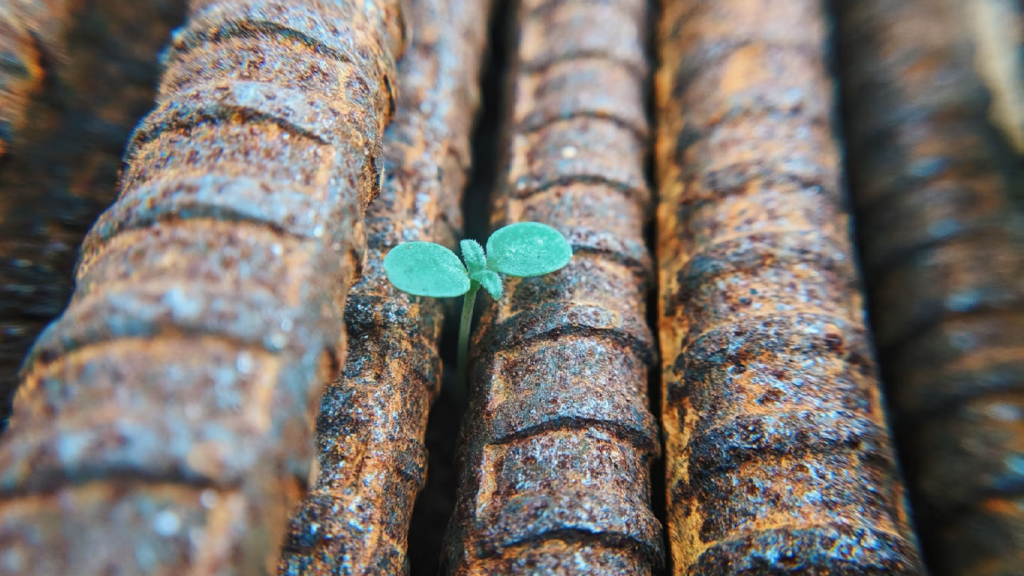
Much of maturity consists in learning how to continue when something good becomes difficult. We begin a worthwhile task with enthusiasm, but sooner or later the novelty disappears, progress slows and the effort required becomes more apparent. At that point, we may become frustrated, complain or look for an excuse to stop. The virtue of perseverance enables us to remain steady and continue pursuing the good despite the difficulty involved in achieving it.
Perseverance is closely related to fortitude. Fortitude helps us remain faithful to what is good when we face fear, pain or hardship, and perseverance has a more particular role within that struggle. It enables us to continue over time when the very effort of carrying out a good action becomes burdensome. A person may sincerely want to complete a demanding project, overcome a persistent defect or repair a damaged relationship, yet the length and difficulty of the process can wear down his resolve. Perseverance keeps him from giving up simply because progress is slow.
We see the need for this virtue from childhood. A child learning a difficult piece of music or struggling with a school assignment may quickly conclude that the task is impossible. He becomes frustrated because success does not come immediately and may want someone else to solve the problem for him. Part of education consists in helping children discover that difficulty is not a reason to stop. They learn to break a task into manageable steps, tolerate frustration and experience the satisfaction that comes from completing something that initially seemed beyond them.
Adults face the same temptation in more complex forms. A professional responsibility may prove much harder than expected, family life can bring years of demanding duties, and spiritual growth often requires a long struggle with faults that do not disappear quickly. We may know perfectly well what should be done and still feel an interior resistance because the effort seems too great. In such moments, perseverance allows us to continue without being governed by discouragement.
This capacity is essential if others are to be able to rely on us. A person who abandons commitments whenever they become difficult creates instability around him. By contrast, someone who remains calm and faithful when problems arise becomes dependable. This does not mean stubbornly persisting in every undertaking regardless of circumstances. Prudence may sometimes require us to change course. Perseverance means remaining faithful when the goal is still good and the principal reason for abandoning it is simply that continuing has become hard.
St. Thomas Aquinas describes the opposite tendency as a kind of softness. The term can sound unusual today, but the idea is clear. We become soft when difficulty bends us too easily away from what reason tells us we should do. We expect life to conform closely to our preferences and lose our peace when it does not.
This can appear in small matters. An unexpected technical problem interrupts our work, a child moves more slowly than we would like, or someone else’s mistake makes our task more complicated. None of these situations is catastrophic, but our reaction may reveal how accustomed we have become to ease. We complain, become irritable or lose focus because reality has failed to cooperate with our plans.
Perseverance helps us accept that worthwhile things often involve friction. Marriage requires patience over many years, professional excellence takes repeated effort and growth in virtue is gradual. If we expect every good undertaking to feel rewarding from beginning to end, we will abandon many of the very things that could have formed us most deeply.
This virtue should not be confused with mere endurance. A person can endure a task outwardly while becoming increasingly bitter or resentful. Christian perseverance has a more positive character. We remain committed to the good because we still recognize its value, even when the immediate experience is difficult.
A student continues studying because the education is worth pursuing. A parent continues caring faithfully for a difficult child because love does not disappear when sacrifice increases. Someone struggling with a recurring sin continues returning to Confession because holiness remains worth seeking despite repeated setbacks. The difficulty is real, but so is the good.
Perseverance therefore depends upon keeping the goal in view. When we focus only on the effort immediately before us, discouragement grows easily. We need to remember why the task matters. This is especially true when progress is slow and visible results are scarce.
The spiritual life provides many examples. We may pray faithfully and still experience dryness. We struggle against impatience and continue to fall. We work apostolically for another person and see little apparent change. It is easy to conclude that our efforts are accomplishing nothing.
Yet visible progress is not the only measure of fidelity. Sometimes perseverance itself is one of the principal fruits God is producing in us. We learn to love without immediate reward and to remain faithful without constant reassurance. The struggle becomes a school of trust.
Constancy supports perseverance by protecting our attention from being diverted toward easier alternatives. A task may remain worthwhile, but because it is difficult we begin looking for something else to do. The alternative need not be bad. In fact, it is often attractive precisely because it is also good, but easier.
This is one of the most subtle forms of avoidance. We do not simply stop working; we become busy with less important things. A demanding project stalls, so we turn to email, organization or some secondary task that gives us the satisfying feeling of productivity. We may tell ourselves that we are still working, but in reality we are escaping from the responsibility that presently deserves our attention.
Constancy helps us remain with the task that should be done now. It keeps our intention steady and prevents us from allowing every new interest or easier opportunity to pull us away. We learn to distinguish between what is good in itself and what is actually our duty at this moment.
This distinction matters because life offers more good possibilities than we can pursue. We could always read another useful article, answer another message or begin another worthwhile project. Yet doing many good things badly ordered can prevent us from doing the one thing that presently matters most.
We need enough interior discipline to say, in effect, “This may be interesting and worthwhile, but it is not what I should be doing now.” That ability is increasingly important in a culture of constant interruption. Digital devices place endless alternative activities within immediate reach, making it easy to escape whenever concentration becomes difficult.
A few minutes of demanding work can trigger the impulse to check messages or look at something online. The distraction seems harmless because it will take only a moment, but repeated interruptions gradually destroy continuity of attention. Constancy allows us to remain where we have chosen to be.
This is not rigidity. A constant person can change plans when prudence requires it. An emergency may arise, someone may genuinely need help or new information may show that a different course is wiser. Constancy does not mean refusing to adapt. It means not abandoning a good course merely because another option is easier or more pleasant.
The relationship between perseverance and constancy is therefore close. Perseverance enables us to continue through the difficulty inherent in a task, while constancy prevents us from escaping into competing goods that distract us from it. One strengthens endurance; the other protects direction.
Patience adds another dimension. We often use these virtues interchangeably, but they respond to somewhat different difficulties. Perseverance is especially needed when the work itself is hard. Patience helps us remain faithful when suffering or sorrow arising from some other source threatens to weaken us.
A person may be capable of doing his work but find it difficult to concentrate because of a painful family situation. The professional task itself is not necessarily the main problem; the sorrow he carries is draining his energy. Patience enables him to bear that suffering without allowing it to destroy his ability to fulfil the duties before him.
We therefore need all three virtues in different ways. Perseverance keeps us moving through difficult work. Constancy protects us from distraction and unnecessary change of direction. Patience enables us to remain faithful when sorrow or suffering presses upon us from elsewhere.
In practice, these virtues overlap constantly. A parent caring for a child with long-term difficulties may need patience with the sorrow involved, perseverance through the demanding daily work and constancy to remain committed when easier alternatives appear attractive. Virtue rarely operates in isolated compartments.
The same is true in our spiritual life. We may struggle with a fault for years. Perseverance keeps us returning to the struggle. Patience helps us accept the discouragement that can accompany repeated failure. Constancy prevents us from abandoning simple, proven means in search of some new spiritual method every time progress seems slow.
This last temptation is common. We become dissatisfied because prayer feels dry or because a resolution has not produced rapid change, and we immediately look for a new technique or programme. Sometimes a change is useful, but often we need something much simpler: to remain faithful to what we already know we should be doing.
The saints were not formed by constantly changing direction. Their lives usually show remarkable continuity. They prayed, worked, served and struggled over long periods, often without dramatic results. Holiness matured through repeated fidelity.
Our Lord himself gives us the supreme example. He remained faithful to the Father’s will throughout years of hidden life at Nazareth and through the difficulties of his public ministry. Opposition increased, many disciples left and the Cross approached, yet he continued toward Jerusalem because he knew the mission he had received.
His perseverance was not blind stubbornness. It arose from love. “My food,” he said, “is to do the will of him who sent me.” Because the Father’s will remained the centre of his life, opposition could not divert him from it.
This is the deepest foundation of Christian constancy as well. We remain faithful not merely because consistency is admirable but because we have given ourselves to something worth loving. Our commitments acquire stability when they are rooted in a clear sense of vocation.
This applies especially to marriage. The wedding vows are not a promise to remain together only while the relationship is easy or emotionally satisfying. Marriage requires constancy because the spouses have freely committed themselves to a good that endures through changing circumstances.
There will be periods of joy and others marked by misunderstanding or fatigue. Feelings fluctuate, but commitment provides continuity. Husband and wife repeatedly choose the marriage they have already chosen.
This does not mean that every marital problem should simply be endured without seeking help. Serious difficulties may require counselling, correction or substantial change. Perseverance is not passive resignation. It is the refusal to abandon a genuine commitment merely because love has become demanding.
Professional life requires the same maturity. Early enthusiasm often fades, and every career eventually contains routine. Someone who constantly changes direction whenever work becomes tedious may never remain anywhere long enough to develop real competence.
At the same time, constancy does not mean staying forever in a situation that is clearly unsuitable. Prudence may show that changing jobs or careers is reasonable. The important question is why we want to leave. Are we responding thoughtfully to reality, or merely escaping the ordinary difficulty that will eventually appear in every occupation?
We should ask similar questions about our other commitments. Sometimes we truly need to change course. At other times, what appears to be a need for change is simply impatience with the slow pace of growth.
The capacity to persevere also affects the people around us. When we remain calm under difficulty, others feel more secure. They know that we will not disappear the moment circumstances become inconvenient. This reliability is a form of love.
Many relationships are strengthened not by dramatic gestures but by the confidence that someone will still be there tomorrow. Children especially need this stability from parents, but adults need it too. Friendship deepens when we discover that another person remains loyal through difficulty.
Constancy therefore protects relationships from the instability of mood. We may not always feel affectionate or enthusiastic, but we continue acting according to the commitment we have made. Feelings matter and should not simply be ignored, yet mature love is not governed entirely by them.
This is one reason perseverance contributes so much to personal freedom. A person ruled by immediate feelings is easily controlled by circumstances. Difficulty produces withdrawal, boredom produces distraction and frustration produces anger.
The persevering person experiences the same emotions but is not forced to obey them. He can feel tired and still complete the duty before him. He can feel discouraged and still take the next step. This is genuine self-mastery.
We acquire this freedom gradually. It grows through small acts of perseverance. We finish a task instead of abandoning it because something more interesting appears. We remain attentive for another few minutes when concentration is difficult. We keep a reasonable commitment even when we no longer feel like doing it.
These choices may seem insignificant, but habits are formed through repetition. Every time we remain faithful despite difficulty, we strengthen our capacity to do so again.
We also need to learn from failure. Sometimes we give up too quickly or allow distraction to derail an important responsibility. We should acknowledge what happened without turning the failure into a judgment about our entire character.
Perhaps the task was poorly planned, or we underestimated the time and resources required. Perseverance should always work together with prudence. A large goal may need to be divided into smaller steps, and sometimes the best way to persist is to revise our method.
What matters is that we do not confuse intelligent adaptation with surrender. We change the means when necessary while remaining faithful to the good we are pursuing.
Prayer is essential in this struggle because our natural determination eventually reaches its limits. We need God’s grace to remain faithful over long periods, especially when the good we pursue involves sacrifice.
St. Paul understood this deeply. Near the end of his life, imprisoned and facing death, he could say, “I have fought the good fight, I have finished the race, I have kept the faith.” He did not claim that the race had been easy. His joy came from having remained faithful.
Christian perseverance ultimately has this horizon. We do not simply want to finish projects or become more productive. We want to finish our life faithful to the vocation God has given us.
This gives meaning to the smaller acts of constancy required each day. Every ordinary duty completed faithfully prepares us for greater fidelity. We learn to stay with what is good when enthusiasm fades and circumstances become demanding.
There will always be moments when we feel like stopping. Sometimes prudence will indeed tell us to stop or change direction. But often the better response is simply to continue.
We take the next step, finish the next task and return again to the commitment we have made. Perseverance does not require us to see the entire road at once.
We only need enough courage to remain faithful to the good that lies before us now.
*By the Via Virtutis team
Photo by Dušan veverkolog on Unsplash