Synopsis
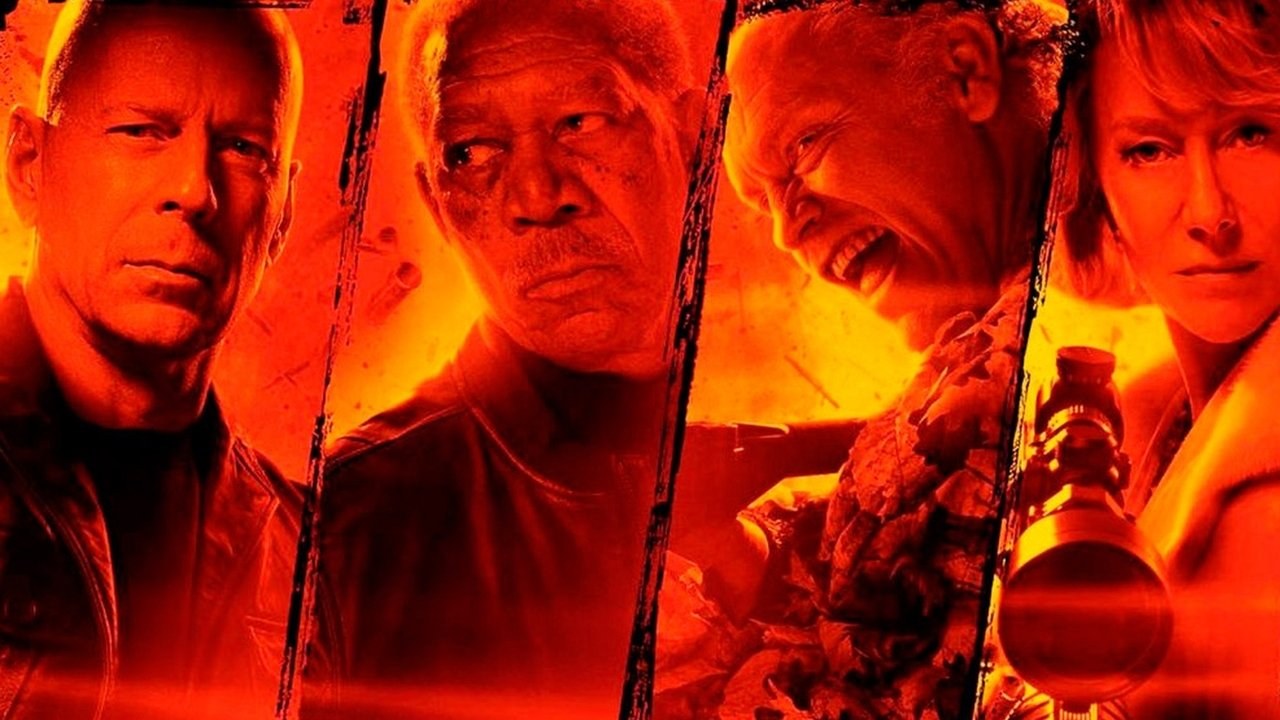
Frank Moses is a retired black-ops CIA operative living a quiet, uneventful life until a heavily armed strike team attempts to assassinate him at his home, forcing him to realize that his former agency is now trying to eliminate all witnesses to a covert operation from decades earlier. Reuniting with his former team of similarly retired but still formidable operatives – each summoned back into action against their will by the same emerging threat – Frank sets out to uncover who has ordered his death and why, all while trying to protect Sarah, a pension-services phone operator he has become fond of and inadvertently endangered by association.
As Frank’s team investigates, they uncover a conspiracy connected to a botched military operation in Guatemala decades earlier, in which a powerful vice-presidential candidate’s cover-up of civilian deaths has left him determined to eliminate every operative with knowledge of what actually happened, regardless of their current age, retirement status, or distance from active intelligence work. The team must use skills honed over long, dangerous careers to survive an assault mounted by their own former employers and allies.
As the true scope of the conspiracy comes to light, Frank and his team – drawing on decades of hard-won experience, loyalty forged through past shared danger, and a stubborn refusal to be quietly erased – expose the cover-up and hold those responsible accountable, while Frank’s protective instincts toward Sarah gradually develop into a genuine, hard-won romantic partnership built through the very danger that initially threatened to destroy it.
Analysis
Loyalty That Outlasts Active Service
Frank’s former team, though scattered and living separately in retirement, reassembles without hesitation once one of their own is threatened, demonstrating a bond forged through shared danger and mutual reliance that has not diminished with age or distance from active service. Their willingness to risk their now-quiet lives for each other reflects a loyalty considered more durable than the institutional loyalty owed to the agency that trained them and is now trying to eliminate them.
This portrayal suggests that certain bonds, built through genuinely shared risk and mutual dependence over time, can outlast and even supersede the formal institutional structures within which they were originally formed, particularly once those institutions demonstrate their willingness to discard the very people who served them.
Accountability Sought Against Those Who Believe Themselves Untouchable
The conspiracy Frank and his team uncover stems from a powerful figure’s determination to conceal his own responsibility for civilian deaths decades earlier, using his current position and influence to eliminate anyone who might expose the truth regardless of the cost in additional lives. His willingness to order the deaths of retired operatives who pose no active threat reflects a corruption willing to sacrifice anything, including further innocent life, to protect a reputation built on an original, unaddressed wrong.
The team’s insistence on exposing this truth despite significant personal risk illustrates a conviction that accountability for past wrongs remains owed even decades later, and that power sufficient to conceal wrongdoing does not thereby erase the obligation to eventually answer for it.
Unexpected Vulnerability Amid a Life of Guardedness
Frank’s growing, initially reluctant affection for Sarah, someone entirely outside his former professional world and unaware of his true history until circumstances force disclosure, represents a genuine vulnerability for a man whose entire career trained him toward guardedness, secrecy, and emotional distance from civilians.
His decision to protect and eventually build a life with Sarah despite the danger his past poses to her safety suggests that a life spent primarily in secrecy and self-protection need not preclude a late, hard-won capacity for genuine intimacy and partnership, provided a person remains willing to risk the vulnerability such connection requires.
Questions for Discussion
1. Frank’s former team reassembles instantly once he is threatened, despite years of separate, quiet retirement. What does this suggest about the durability of bonds formed through shared danger, compared to institutional loyalty?
2. The conspiracy’s architect is willing to eliminate retired operatives who pose no active threat, simply to protect his own reputation. What does this suggest about how power can become willing to sacrifice increasing amounts of innocent life to conceal an original wrong?
3. Frank’s team insists on exposing a decades-old cover-up despite significant personal risk. What does their persistence suggest about whether accountability for past wrongs expires with time or diminished power to prosecute it?
4. Frank’s relationship with Sarah develops despite the real danger his past poses to her safety. What does his willingness to pursue this relationship, rather than protect her by staying away, suggest about the value he places on genuine connection?
5. Is Frank’s team’s use of lethal force against their former employers morally justified, given that they were unjustly targeted first? Where might the limits of such justified self-defense lie?
6. What does the team’s decades of shared experience and hard-won skill contribute to their ability to survive and expose the conspiracy, beyond what younger or less experienced operatives might have accomplished?
7. How does the film balance its lighter, comedic tone with its more serious themes about loyalty, accountability, and institutional betrayal?
8. What responsibility do intelligence agencies and their leadership bear toward operatives who served them faithfully, once those operatives are no longer useful or convenient?


