Synopsis
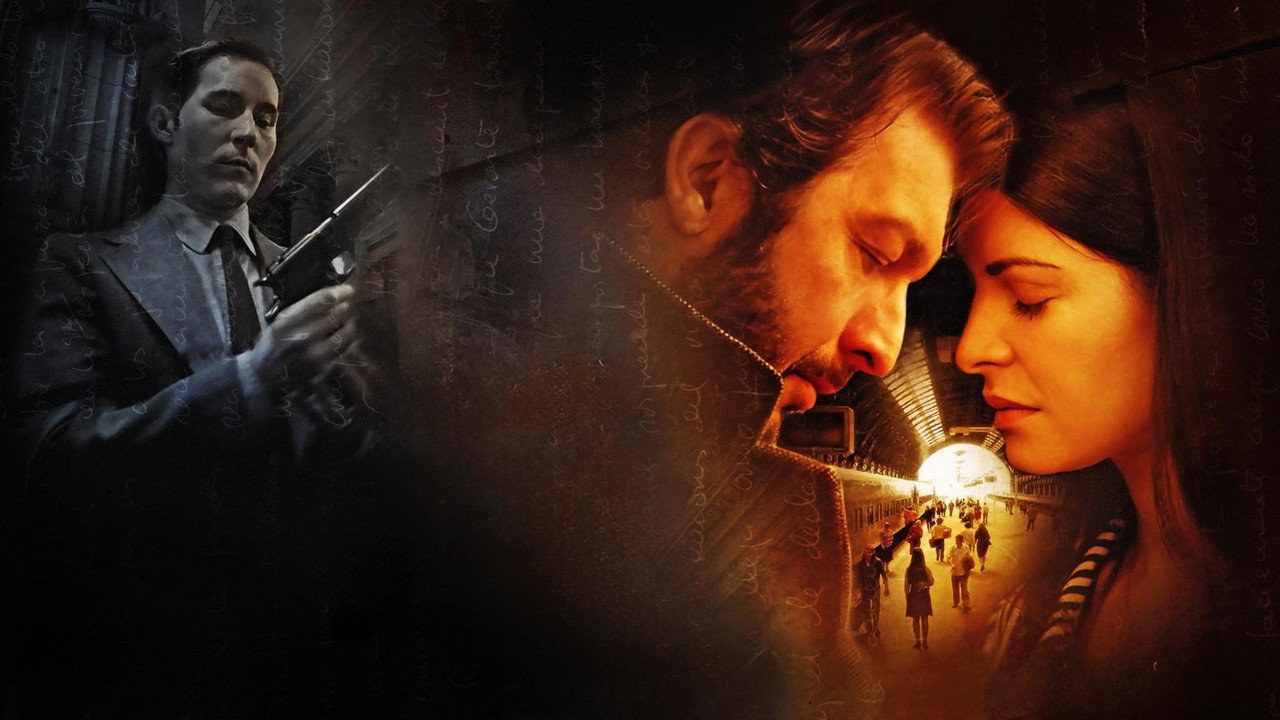
Benjamin Esposito, a retired Argentine federal court investigator, begins writing a novel about an unresolved case from decades earlier – the brutal rape and murder of a young newlywed woman, Liliana Coloto – reopening both the investigation’s painful details and his own long-unspoken feelings for Irene, the judge he worked alongside at the time and has never fully let go of despite the passage of many years.
The film moves between the present, as Benjamin revisits his old case files and Irene, now a judge herself, and the past, reconstructing his original investigation, which identified a suspect, Isidoro Gómez, only for the case to be derailed by Argentina’s brutal political climate under military dictatorship, in which Gómez was recruited as a government intelligence operative and released with impunity, protected by a corrupt state apparatus more interested in political utility than justice for a murdered woman.
As Benjamin’s present-day investigation into what became of Gómez unfolds, he discovers a devastating final truth: Liliana’s grieving husband, Ricardo, has spent decades secretly holding Gómez captive on a remote property, administering a private, illegal justice the official system had refused to provide, raising unsettling questions about whether Ricardo’s extralegal solution represents a corruption of justice or simply the only form justice was able to take once legitimate institutions had been thoroughly compromised.
Analysis
Justice Denied by a Corrupted State
Benjamin’s original investigation correctly identifies Gómez as the killer, yet the case is deliberately derailed by Argentina’s dictatorship-era security apparatus, which recruits Gómez as a useful operative and releases him with full impunity, prioritizing political utility over any genuine commitment to justice for Liliana’s murder.
This portrayal offers a sobering account of how thoroughly legitimate institutions can be corrupted when political power, rather than justice, becomes their actual organizing principle, leaving genuinely committed investigators like Benjamin with essentially no legitimate recourse once the system itself has been captured by forces indifferent or hostile to the truth they have uncovered.
Grief That Refuses the Comfort of Closure
Ricardo’s decades-long grief over his wife’s murder never resolves into acceptance or peace, particularly once the formal justice system fails to hold her killer accountable; his eventual, extralegal response reflects a refusal to accept that Gómez’s crime should simply go permanently unanswered, regardless of what the official system was willing or able to provide.
This portrayal complicates simple judgments about the proper limits of grief and its expression, presenting a man whose devastating loss, compounded by institutional betrayal, leads him toward a solution the film treats with genuine ambivalence rather than either clear condemnation or clear vindication.
A Love Deferred by Fear and Circumstance
Benjamin’s unspoken feelings for Irene span decades, kept unexpressed originally due to class differences, professional propriety, and eventually simple fear of rejection, mirroring in a quieter register the same theme of justice and truth deferred that structures the film’s central murder investigation. His eventual willingness, as an old man, to finally speak honestly about his feelings reflects a hard-won recognition that some forms of deferred honesty exact their own toll.
This parallel between institutional and personal cowardice – both Benjamin’s silence about his feelings and the state’s silence about Gómez’s guilt – suggests that the film understands truth-telling, whether in matters of justice or matters of the heart, as requiring a courage that fear and convenient deferral both work steadily to undermine.
The Ambiguous Morality of Private Justice
Ricardo’s decision to secretly imprison Gómez himself, after decades of official impunity, raises the film’s most unresolved moral question: whether this private, extralegal justice represents a legitimate response to a state’s total failure to provide justice through proper channels, or simply another form of the same lawlessness that allowed Gómez’s original crime to go unpunished in the first place.
The film’s refusal to resolve this question clearly, allowing Benjamin – and the audience – to sit with genuine moral discomfort rather than a clear verdict, reflects an honest acknowledgment that total institutional failure can leave even well-intentioned people facing genuinely difficult choices about how, or whether, justice can be pursued outside the structures meant to provide it.
Questions for Discussion
1. Gómez escapes justice because Argentina’s dictatorship-era security apparatus finds him more useful as an operative than accountable as a murderer. What does this reveal about how political power can corrupt institutions meant to serve justice?
2. Ricardo’s grief leads him, after decades of official impunity, toward a private, extralegal response. Does the film present this response as justified, as a further corruption of justice, or as something the audience must judge for themselves? Defend your reading.
3. Benjamin keeps his feelings for Irene unspoken for decades out of fear and propriety. How does this personal deferral parallel the film’s larger themes about institutional silence and deferred justice?
4. Is Ricardo’s private imprisonment of Gómez a legitimate response to total institutional failure, or does it simply replicate the lawlessness that allowed the original crime to go unpunished? Explain your reasoning.
5. What responsibility does Benjamin bear for the case’s failure, given that he correctly identified Gómez but could not overcome the corrupted system protecting him?
6. How does the film’s structure, moving between past investigation and present reckoning, shape your understanding of how unresolved injustice can continue to affect people decades later?
7. What does Benjamin’s eventual willingness to speak honestly to Irene, after decades of silence, suggest about the cost of avoiding difficult truths, whether in matters of justice or matters of the heart?
8. What do you think the film ultimately suggests is required for genuine justice to be possible – reformed institutions, individual courage, or some combination of both?


