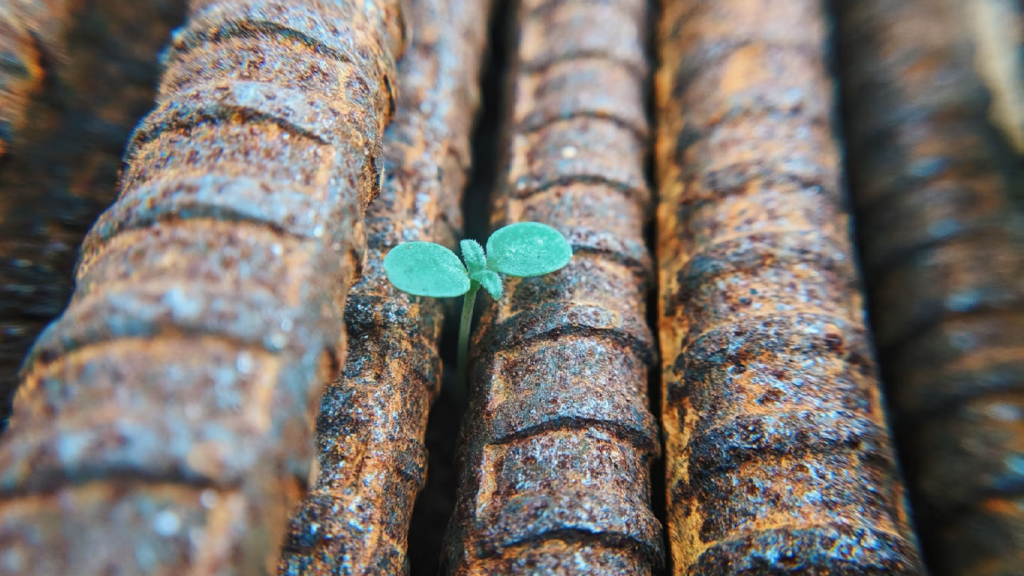
Jesus uses many different images to teach us that the path leading to holiness consists in the full development of our spiritual life. He speaks of the tiny mustard seed growing into a great tree where birds can rest, and of the grain of wheat reaching maturity to produce rich ears of corn. This growth, which often seems slow and is never without difficulties, is essentially the increase of virtue in our souls. If we are to sanctify each day, we must practice a wide array of human and supernatural virtues, such as faith, hope, charity, justice, fortitude, industriousness, loyalty, and optimism. Virtues are formed through the deliberate repetition of acts, because each time we perform a good deed, our soul becomes better disposed to perform the next one more easily. If we conquer laziness the moment we wake up, we will find it significantly easier to be diligent in our other duties throughout the day, much like a sportsman who improves his physical fitness and aptitude through regular training.
Good habits not only make us more perfect, but they also make it easier to respond promptly and fittingly to God’s will in every moment. Without virtues acquired through repeated good acts and the help of grace, meritorious actions become difficult and remain random or isolated incidents. Conversely, the lack of virtue makes it easier to fall into imperfections and sins, which widen the gap separating us from God. Every repeated action leaves a mark on the soul, increasingly disposing it toward good or evil depending on the nature of the habits being formed. We can trust that a person who habitually acts well will be sustained by those virtues when confronted with sudden difficulties. This reality also highlights the importance of erasing the residual marks of our past sins through penance, so they do not incline us toward evil again. The longer we have been separated from God, the more intense our penance should be to heal those lingering effects.
The practice of virtue continually shows us the path to God. When a Christian endeavors not only to avoid occasions of sin but to reach the holiness God asks of him, he realizes that the Christian life demands both an increase in virtue and an ongoing purification from past failures. Holiness simply consists in the exercise of virtues day after day, directly within the specific environment and circumstances where we live. Human virtues provide the essential foundation for supernatural ones, which in turn encourage us to behave in a more truly human way. We cannot merely desire to have these virtues; we must actually practice being sincere, truthful, balanced, calm, and patient, remembering that we love God not in words alone, but with deeds and in truth. While the work of sanctification belongs entirely to God’s infinite goodness, He has placed within our nature the capacity to correspond to His grace. By cultivating resilience, loyalty, truthfulness, affection, and courtesy, we prepare our souls for the action of the Holy Spirit, making it clear that true sanctity cannot exist without the most elementary human virtues.
We must put Christian virtues into practice in all circumstances, whether they are easy, troublesome, or highly difficult. While heroism may sometimes be required in great struggles, it normally takes the form of daily skirmishes. Just as a plant draws nourishment from the soil where it is rooted, our virtues must spread their roots into our work, family joys, sorrows, and whatever else immerses us in the world. Everything we encounter must help us to love God and carry out our apostolate. Some events will encourage thanksgiving, while others will call for fortitude or increasing trust in God. Because all virtues form a single, seamless tapestry united by charity, growing in one virtue naturally means taking a step forward in all the others.
We cannot wait for ideal circumstances to seek sanctity. When we carry out the most insignificant everyday action with love, that action immediately overflows with the transcendence of God. Saint Josemaría Escrivá warned against ‘mystical wishful thinking’—fantasizing about how much better we could be if only we had a different profession, better health, or different circumstances—urging us instead to turn seriously to the immediate reality where Our Lord is waiting. Waiting for perfect situations would allow our lives to pass by in a meaningless way. We should ask ourselves in prayer if we truly want to identify with Christ, and whether we are using the actual happenings of each day to practice virtues with greater rectitude of intention. God never asks the impossible, yet He expects all Christians to live these virtues in their entirety, even in environments moving further away from Him, promising the necessary grace to remain faithful.
When Christians lose their supernatural outlook, they often begin to think the ideal proposed by Christ needs to be modified or adapted for modern people. They struggle to stand their ground in moral dilemmas at work, allow themselves to be influenced by societal permissiveness, and give in to the general pursuit of comfortable well-being. We must teach through the example of our own lives that Christian virtues can be lived in the midst of honest undertakings, demonstrating that being understanding toward the defects of others does not require lowering our own standards or the demands of the Gospel. To grow, we need to make a personal effort to acquire authentic habits, ensuring our virtues define our character rather than serving as mere fancy dress that hides a lack of willpower.
Saint John Chrysostom encourages us to approach our interior life like children learning to write at school. Just as they learn the shapes of letters step by step, we can focus first on not speaking badly of people, then move on to avoiding envy, gluttony, or vanity. Let us link these virtues together and write them on our souls right in our own homes, with our friends, and with our families. What is truly important is our definite and loving decision to strive after virtue in our everyday affairs. The more we practice these good acts, the easier they will become, identifying us ever more closely with Christ. As the model and school of all virtues, Our Lady will teach us to achieve this goal and make it easier for us to reach the specific targets we set in our daily examination of conscience.
*By the Via Virtutis team
Photo by Ian Taylor on Unsplash