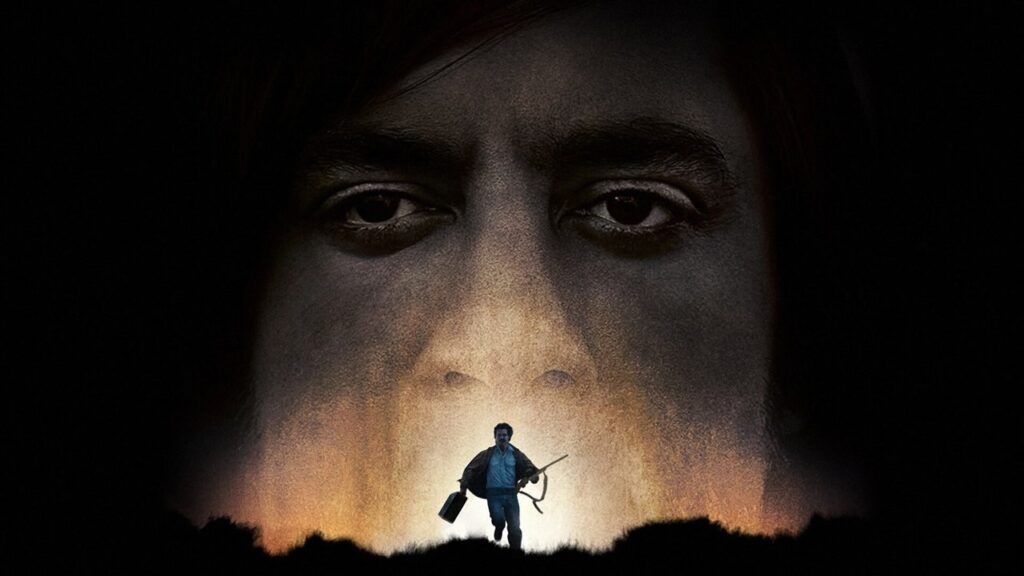
Individual competence and courage, however genuine, cannot guarantee protection against violence and evil operating according to a logic entirely outside ordinary human control or comprehension.
The film's exaggerated premise functions as a pointed illustration of a real, more diffuse truth: civic disengagement, multiplied across many individuals, carries genuine consequences for a society's governance.
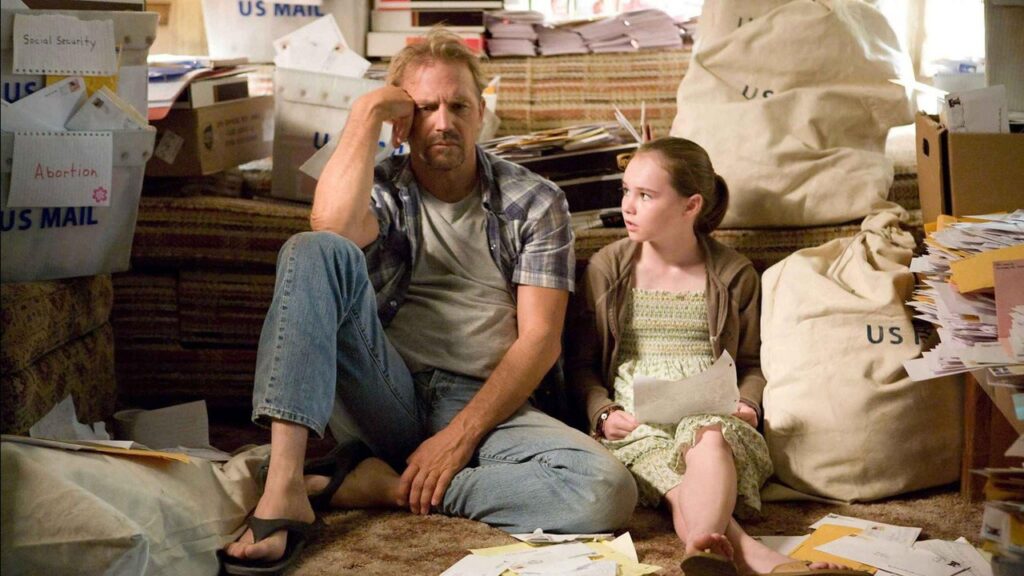
Innocence maintained through willful, systematic denial of an ongoing atrocity is itself a kind of moral hazard, one that ultimately fails catastrophically to protect the child it was meant to shelter.
Total institutional failure can leave even well-intentioned people facing genuinely difficult choices about how, or whether, justice can be pursued outside the structures meant to provide it.
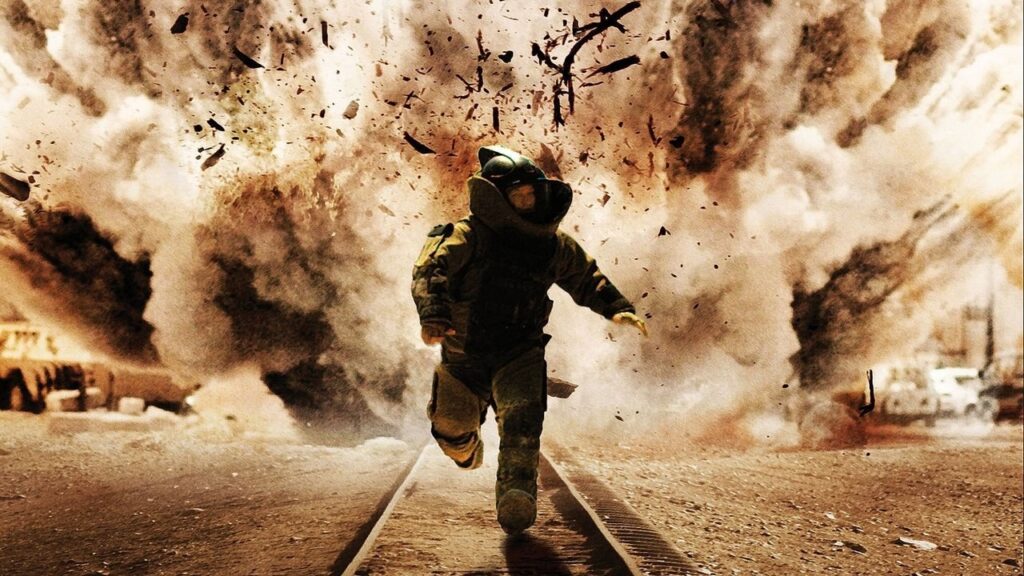
James's final decision to return for another tour leaves the audience to sit with an uncomfortable truth about how war can reshape some people so thoroughly that ordinary peace becomes a harder place to live than the battlefield itself.
The clones' capacity for love, jealousy, art, and grief is presented as identical in depth and reality to that of any other human being, making the injustice of their treatment all the more stark by contrast.