The film refuses to set Saroo's two mothers against each other as competitors for his loyalty; his expanded family becomes the film's final image of what love actually makes possible when it is not treated as a limited resource.
It is never entirely too late for a person to receive and accept a form of love and relationship they have spent a lifetime resisting, even if that acceptance can only be fully realized in the very last moments available to them.
Even a life seemingly emptied of meaning and purpose by accumulated trauma retains the capacity for genuine renewal through authentic relationship and love.
Lee's grief over his children's deaths is presented as a permanent condition he will carry for the rest of his life, not an obstacle to be overcome through sufficient time or effort.
Genuine wisdom requires navigating between inherited structures and personal authenticity, allowing for real growth and honest reckoning within, rather than simply outside, tradition.
The clones' capacity for love, jealousy, art, and grief is presented as identical in depth and reality to that of any other human being, making the injustice of their treatment all the more stark by contrast.
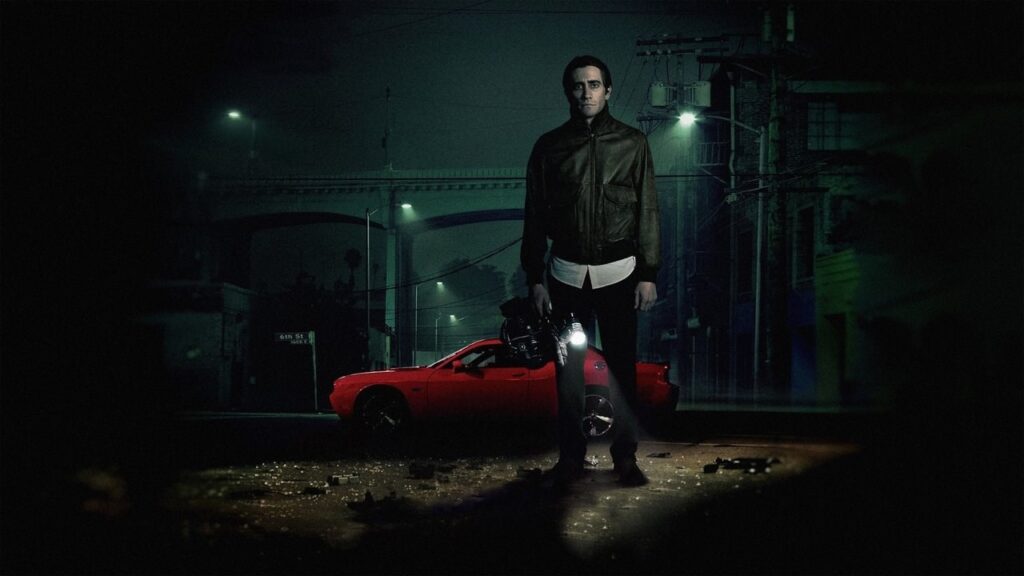
The film's unsettling achievement is to make Louis's hollow, borrowed vocabulary of ambition sound, at first, almost plausible, before revealing just how thoroughly it has been emptied of any genuine ethical content.
Individual competence and courage, however genuine, cannot guarantee protection against violence and evil operating according to a logic entirely outside ordinary human control or comprehension.
Genuine moral understanding of unfamiliar circumstances or classes of people typically requires sustained, direct engagement rather than judgment formed at a comfortable remove.
The far more unsettling possibility is that ordinary human psychology remains genuinely capable of producing such evil under sufficiently corrupting conditions.
The concrete, particular obligations of parenthood carry a moral weight and urgency that can eventually take priority over even deeply held prior ideological commitments.
Ong-Bak shows that true heroism comes from using one's talents selflessly, remaining faithful to one's identity and beliefs, and inspiring others to choose virtue over selfishness.
The Kims' scheme succeeds only by displacing another family equally desperate, revealing that it was never actually a path upward, only a rearrangement of who occupies the bottom.